
How to Use QR Codes
on Food Packaging
Display nutritional facts, recipe ideas, or sourcing information for consumers.
Help improve your marketing strategies, increase your long-term customer loyalty and add value to your edibles by integrating QR Codes on your food packaging.
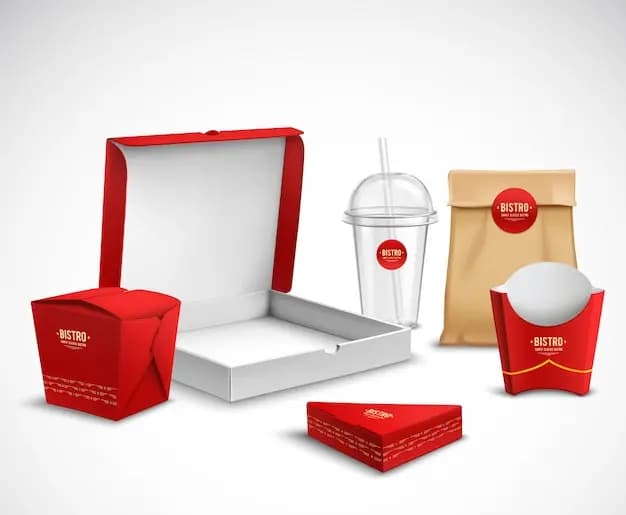
The Benefits of Using QR Codes on Food Packaging
When it comes to food, consumers want more provenance information, more transparency and, in regards to packaging, more sustainability, and less waste. Ingredients, discoverability, and social impact are trends that strongly influence brand growth.
But how can you connect consumers with your supply chain information, from raw material to shelf, without creating wasteful packaging layers? QR Codes provide an effective solution.
1. Packaging for the future
Create an interactive experience for your consumers by connecting with them through QR Codes. With just one scan, customers can discover more about your food products.
For example, you can link to a video playlist that shows the journey of your raw materials from the field to the final packaged product.
You can also provide allergy information, ingredients lists, and nutritional details through a PDF QR Code. Brands can even share recipe ideas to inspire customers to cook with their products.
Another option is adding a Coupon QR Code so customers can save and redeem discounts during their next purchase.
2. A supply chain of trust
Transparency is increasingly important for food consumers. Many brands now use QR Codes to share supply chain information and build trust.
By scanning a code on the packaging, customers can learn about sustainability practices, food safety processes, and sourcing details before even purchasing the product.
This level of transparency helps brands strengthen customer trust and build long-term loyalty.
3. Eco-friendly food packaging
Sustainable packaging is a growing priority for modern brands. QR Codes offer a minimalistic and environmentally friendly solution for sharing additional product information without adding extra printed materials.
Instead of printing long ingredient lists or detailed product documentation, companies can link to digital pages that contain all relevant information.
Even better, Dynamic QR Codes allow brands to update information without reprinting packaging, reducing both costs and waste.
4. Strategize your marketing
QR Code tracking allows companies to analyze how their packaging performs in the real world.
Marketers can track when, where, and with what device customers scan the code. This data provides valuable insights into consumer behavior and campaign effectiveness.
With these insights, brands can improve marketing strategies and optimize their packaging experience over time.
💡 Pro Tip
Add Flavor to Engagement
Use QR Codes on food packaging to share recipes, nutritional info, or promotional content. This transforms every package into a story and keeps customers interacting with your brand.
How to create a QR Code on Food Packaging
- Go to a QR Code Generator and select the type of QR Code you would like to place on your food packaging.
- Enter the destination URL or information.
- Your QR Code will be generated automatically.
- Customize the design by adding a frame or a “Scan Me” call-to-action.
- Choose colors that match your brand identity.
- Download the QR Code file.
- Add the QR Code to your packaging design.
QR Codes on Food Packaging Best Practices
When adding QR Codes to food packaging, it is important to design them in a way that attracts attention and encourages customers to scan.
1. Add instructions
One common mistake is placing QR Codes without explaining what users will gain from scanning them. Always include a short description or call-to-action to encourage interaction.
2. Frame it
Custom frames and design elements can help the QR Code blend naturally with your packaging design while still remaining visible.
Many QR Code tools offer frames with built-in call-to-action messages and color customization options.
3. Add a logo inside your QR Code
Adding a brand logo in the center of the QR Code can improve brand recognition and make the design more visually appealing.
Many generators automatically optimize the logo size so the code remains easily scannable.
4. Save your designs
QR Code templates allow companies to reuse designs for future campaigns, seasonal promotions, or new product releases without recreating the code design each time.
5. Customizable URL
Dynamic QR Codes often use short URLs that redirect to the final destination. These URLs can usually be customized to include the brand name, which helps build trust and recognition.
6. Test before printing
Before printing packaging, always test your QR Code on different devices and scanning apps.
The recommended minimum size for QR Codes on packaging is about 2 × 2 cm to ensure reliable scanning.
See QR Codes on Product Packaging in Action
Many industries use QR Codes creatively on packaging to connect with customers and deliver interactive experiences.
Consumer Packaged Goods
Food brands can use PDF QR Codes to share digital recipe books, cooking guides, or promotional content directly from their product packaging.
Cities and Culture
Local businesses and cultural organizations can add Video QR Codes to packaging to share historical stories, production processes, or community initiatives.
Restaurants
Restaurants selling packaged products in stores can add Coupon QR Codes that encourage customers to visit their physical locations by offering special discounts.
Hotels and Resorts
Hospitality businesses can use QR Codes on complimentary items to promote charitable initiatives or share information about local community programs.
Cafés
Coffee brands can use Image Gallery QR Codes to show photos of their plantations, production processes, and fair-trade sourcing efforts, creating a stronger connection with their customers.
Get Started Free
Ready to make your scan-worthy?
Create a free dynamic QR code in 30 seconds. No account needed to start.