
How to Use Barcode
on Food Packaging
Transparency on every bite. Share nutritional facts, recipes, or direct re-order links.
Improve product tracking, ensure food safety, and streamline operations by integrating Barcodes on your food packaging. Barcodes help manage inventory, trace products, and maintain quality standards across the supply chain.
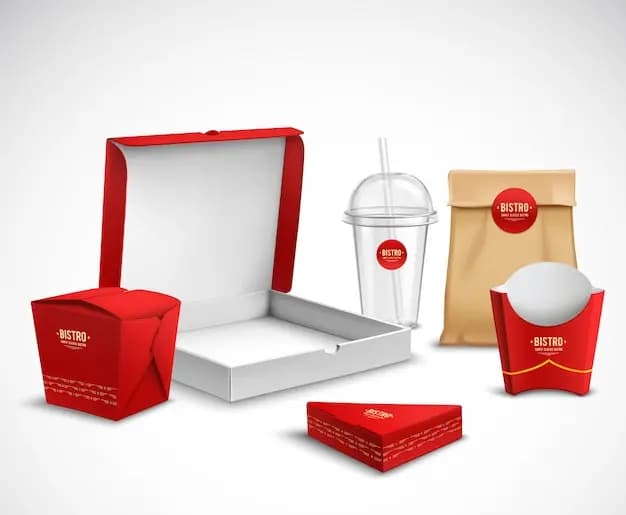
The Benefits of Using Barcodes on Food Packaging
In the food industry, accuracy, safety, and traceability are critical. Barcodes provide a reliable way to manage products from production to the final sale.
They help businesses track food items, manage expiration dates, and ensure compliance with safety regulations.
1. Efficient product tracking
Barcodes allow food products to be tracked throughout the entire supply chain—from manufacturing to distribution and retail shelves.
Each product can be assigned a unique code, making it easy to identify and monitor.
2. A supply chain of trust
Barcodes help maintain transparency by ensuring accurate records of product origin, batch numbers, and handling processes.
This builds trust with retailers and ensures compliance with food safety standards.
3. Reduce waste and improve inventory
With barcode systems, businesses can track expiration dates and stock levels in real time.
This reduces food waste and helps manage inventory more efficiently.
4. Faster retail operations
Barcodes enable quick scanning at checkout, improving speed and accuracy in retail environments.
This enhances customer experience and reduces waiting time.
💡 Pro Tip
Ensure Accuracy & Compliance
Barcodes on food packaging help manage inventory, track batches, and support compliance with food safety and labeling regulations.
How to create a Barcode on Food Packaging
- Select the barcode type (UPC or EAN for retail products).
- Enter product details such as SKU or identification number.
- Generate the barcode using a barcode generator.
- Download it in high-quality format (PNG or SVG).
- Place it clearly on your food packaging.
- Test it using scanners before production.
Barcodes on Food Packaging Best Practices
To ensure your barcode performs reliably, follow these important practices.
1. Maintain proper size
Ensure the barcode is large enough to be scanned easily, even on curved packaging.
2. Use high contrast
Always use dark bars on a light background for maximum readability.
3. Avoid distortion
Do not stretch or bend the barcode, especially on flexible packaging materials.
4. Place strategically
Keep barcodes on flat, visible surfaces and away from folds or edges.
5. Test before printing
Always test your barcode across multiple devices and environments.
6. Include batch and expiry data
Use barcodes to track batch numbers and expiration dates for better food safety management.
See Barcodes on Food Packaging in Action
Barcodes are essential across the food industry for ensuring efficiency and safety.
Consumer Packaged Goods
Food brands use barcodes to manage inventory, track batches, and ensure accurate product distribution.
Retail Stores
Supermarkets rely on barcodes for pricing, billing, and stock management.
Restaurants
Restaurants use barcodes for ingredient tracking and supply chain management.
Warehousing & Logistics
Logistics companies use barcodes to track shipments and maintain product quality during transportation.
Cafés & Beverage Brands
Coffee and beverage companies use barcodes for product identification and inventory control.
By integrating barcodes into food packaging, businesses can improve efficiency, ensure safety, and build a more reliable supply chain.
Get Started Free
Ready to make your scan-worthy?
Create a free dynamic Barcode in 30 seconds. No account needed to start.