
Introduction
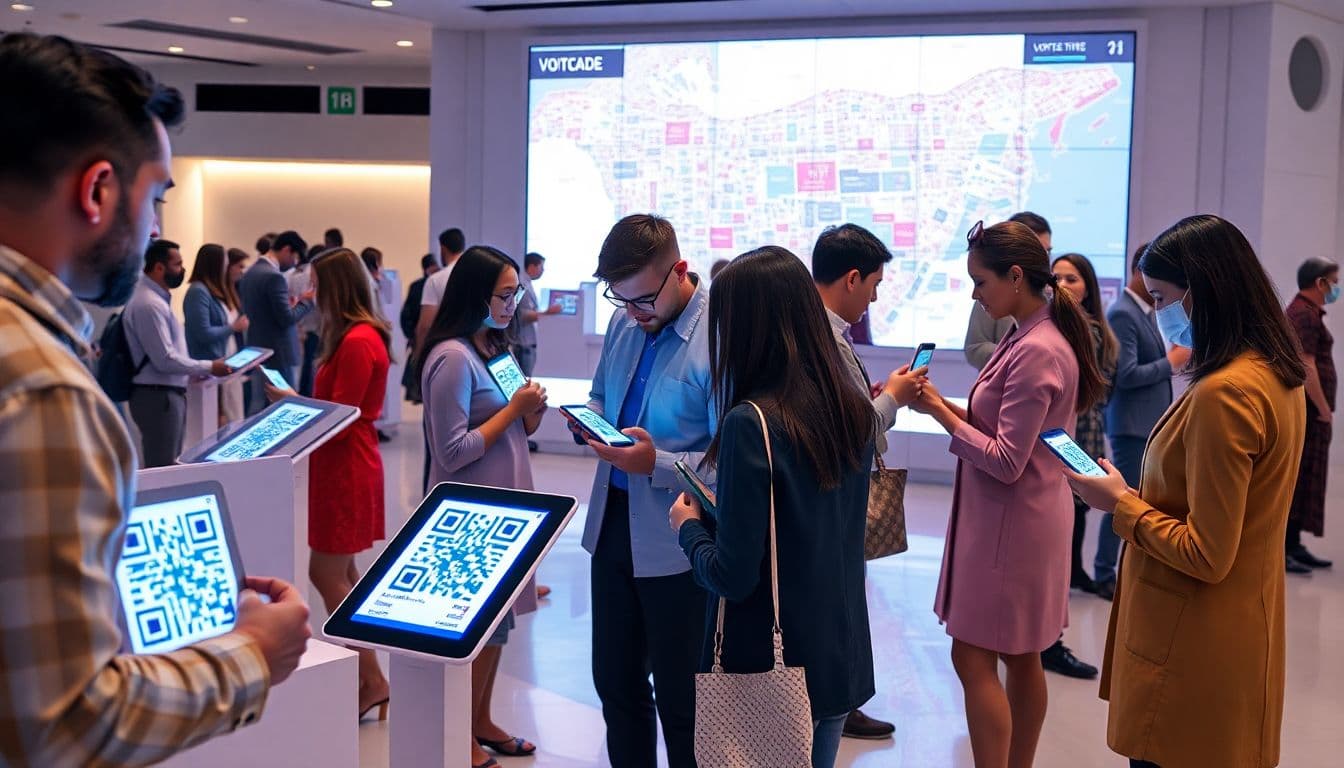
Every election depends on a voting system that is secure, clear, and easy to use. But many countries still rely heavily on paper ballots and manual counting. These old methods often lead to errors, delays, and questions about fairness. As technology advances, it's time to rethink how we vote. QR codes, tiny squares filled with data, are emerging as a promising way to improve elections. They are already popular in stores,tickets, andpassports. Now, they could make voting faster, safer, and more transparent.
The Case for Digitalization in Voting Systems
The Limitations of Traditional Voting Methods
Traditional voting isn't perfect. Counting paper ballots can be slow and prone to mistakes. Sometimes, votes get accidentally spoiled or misread. There are also concerns about voter fraud or intimidation. In recent elections, delays in results have caused frustration. For disabled voters or those in remote areas, reaching a polling station is not always easy. These problems show we need smarter systems that work better for everyone.
Benefits of Modern Voting Technologies
New technology can fix many of these issues. It makes tallying votes quicker and more accurate, reducing errors. Voters gain more convenience from online or mobile voting. Ballots can be accessible for people withdisabilities, making elections fairer. Transparency grows when results can be verified easily. Experts agree that technology can boosttrust in elections when used carefully and securely.
Regulatory and Security Challenges
Changing how we vote also brings legal and security questions. Election rules may need updates to fit new systems. There are also risks like hacking or data theft. If cybercriminals target voting tech, results could be manipulated. So, we must find a balance between embracinginnovation and protecting the process from new threats.
How QR Codes Enhance Voting Systems
Streamlining Voter Identification and Authentication
QR codes can verify voters quickly and securely. Voters might use adigital ID linked to their registration database. When they scan a QR code at the polling station, their identity gets confirmed instantly. Some countries are testing digital voter IDs with QR codes. To keep the process safe, election officials should use encrypted QR codes andtrusted software.
Facilitating Remote and Mobile Voting
QR codes can help voters participate from anywhere. They can receive a QR code that grants access to an online voting platform. Pilot projects in some areas show that mobile voting is now possible with QR technology. To stay secure and private, it’s essential to use strongencryption and keep voter data safe from prying eyes.
Improving Ballot Accessibility and Voter Experience
Using QR codes can make ballots easier to access for disabled voters. Scanning a QR code might open a personalized, easy-to-read ballot on a phone. This cuts down long lines and waiting times in polling stations.Simple designs and clear instructions can help all voters use QR codes comfortably.
Increasing Transparency and Trust in Election Results
QR codes allow real-time vote tracking. For example, a QR code on a ballot can be scanned to confirm votes are counted correctly. Voters and officials can verify results easily. Such systems can build trust by showing that votes are transparent and verifiable, making election results more credible.
Implementing QR Codes in Voting Systems: Challenges and Solutions
Technical and Infrastructure Requirements
To use QR codes, polling stations need scanners, secure servers, andreliable internet. Voting systems must sync with existing software smoothly. Scaling these solutions requires careful planning andtesting to ensure they work well in large elections.
Security and Privacy Concerns
Keeping voter data safe is a top priority. Encryption can prevent unauthorized access. Trusted authentication methods, like unique QR codes, help avoid impersonation. Regular cybersecurity checks should be part of election plans to prevent hacking attempts.
Legal and Regulatory Frameworks
Laws around voting need updates as new tech is adopted. Regulations should specify how QR codes are used and secured. Governments must ensure their rules meet international standards for fair elections. Setting clear policies helps avoid confusion and builds public trust.
Public Trust and Stakeholder Engagement
Getting voters comfortable with QR code voting takes education. Explaining how it works and its safety benefits reassures the public. Collaboration with election officials, cybersecurity experts, and civil groups can boost confidence. Honest communication is key to winning support.
Future Outlook and Recommendations
QR codes can do more than just replace paper ballots. They could be combined with biometric data for extra security. Testing new systems through pilot programs helps catch problems early. Phased rollouts allow voters and officials to adapt smoothly. Policymakers and tech providersmust work together to keep elections secure and transparent.
Conclusion
QR codes hold the power to change voting for the better. They make elections faster, more accessible, and more trustworthy. But careful planning is needed to handle security and legal issues. By adopting these simple yet powerful tools, we can build stronger, fairer democracies. The future of voting is knocking at the door—are we ready to open it? Embracing QR codes today paves the way for elections that are more honest and inclusive tomorrow.
Frequently Asked Questions
How can I use QR codes to help voters participate remotely?
By using a URL QR code generator, election officials can provide voters with a secure link that grants access to an online voting platform. This mobile-friendly approach makes it much easier for people in remote areas to participate without having to wait in long lines at physical polling stations.
Should election officials use a dynamic or static QR code generator for voting platforms?
For anything requiring real-time vote tracking or platform updates, a dynamic QR code generator is essential. An editable QR code allows officials to securely manage destination URLs and monitor scan analytics, ensuring the voting process remains transparent, verifiable, and safe from errors.
How to create a QR code with logo for free that maintains voter trust?
Government agencies can use a free QR code generator with logo capabilities to design a custom QR code with brand colors that match official election materials. Keeping the design simple while integrating official seals ensures the code remains highly accessible and trustworthy for all citizens.
Can a PDF QR code generator help with election day accessibility?
Yes, scanning a QR code that links to PDF can instantly open personalized, easy-to-read voting instructions or candidate guides on a voter's smartphone. This significantly cuts down waiting times at polling stations by giving disabled or elderly voters accessible information right in the palm of their hands.
What is the best size for a print-ready QR code on a paper ballot?
To guarantee a flawless scan rate and avoid misread votes, a print-ready QR code on election materials must be printed large enough for polling station scanners to read instantly. Careful planning and rigorous testing are required to ensure the codes work smoothly under various physical conditions before a large election.
What is the best free QR code generator online for public voting initiatives?
For municipalities testing phased rollouts of digital voter IDs or educational campaigns, QRVertex is a highly secure and versatile option. It functions as both a powerful QR code editor and a reliable barcode generator to help modernize election infrastructure step by step while maintaining public trust.
How do we test QR codes for voting before the actual election?
Because security and privacy are top priorities, election officials must run pilot programs and regular cybersecurity checks to ensure all links are secure from hacking attempts. Testing your campaign tracking and scanning infrastructure ensures the system can handle high traffic while completely protecting sensitive voter data.
Do QR codes generated with QRVertex expire before election day?
If you are relying on a QR code generator no expiry for early voter registration or permanent digital IDs, the static codes created on QRVertex will never time out. This guarantees that your secure election materials will remain fully functional and trustworthy whenever the public is ready to scan them.
Related Articles

The Ultimate Guide to QR Codes for Cafes: Menus, Marketing, and More
Discover how cafés can use QR codes for digital menus, marketing campaigns, loyalty programs, and more. This ultimate guide covers creative, practical uses to boost customer experience and streamline operations.
5 Ways to Use QR Codes for Gardening and Plant Care
Explore 5 smart ways to use QR codes in gardening and plant care—from plant ID and care tips to garden tours and DIY guides. Make your green space more interactive and informative.
How QR Codes Can Store and Share Rental History
Learn how QR codes can securely store and share rental history for tenants and landlords. Streamline background checks, rental applications, and property management with ease.