
Introduction
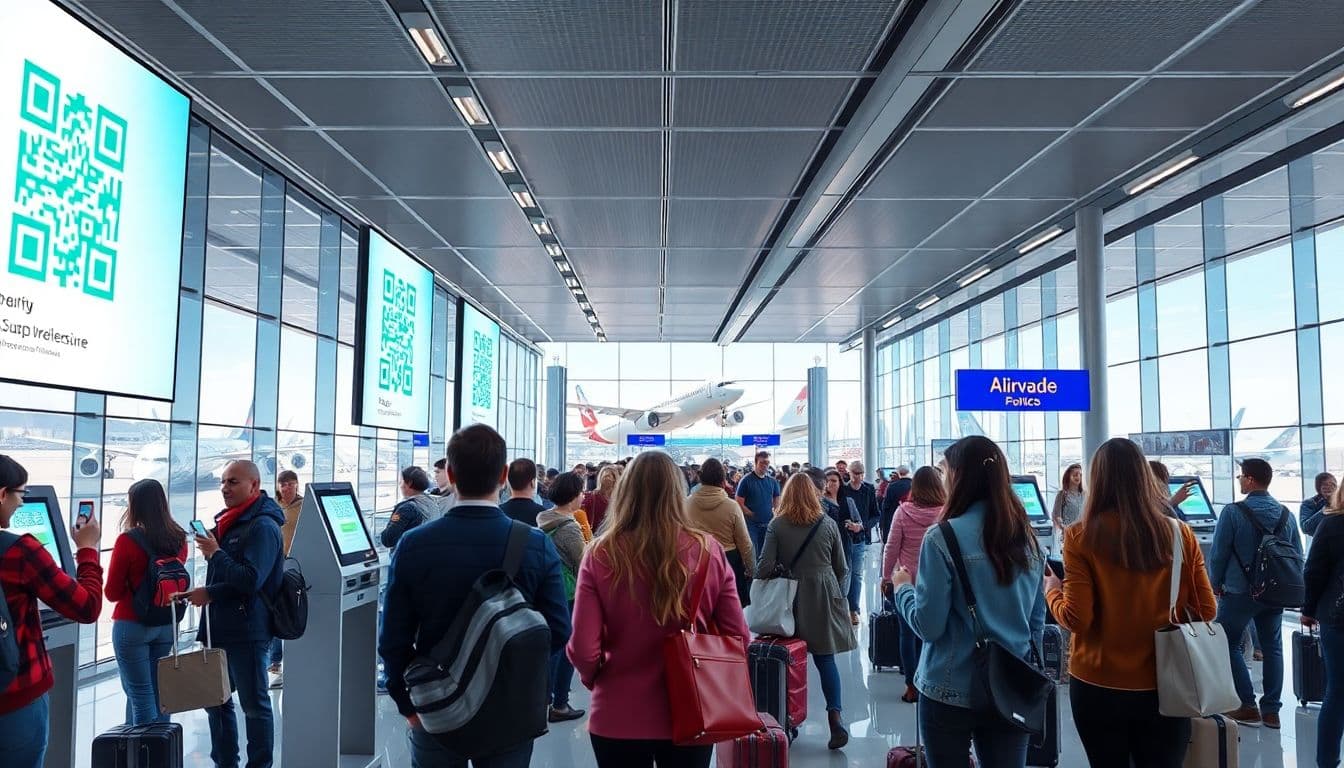
Traveling by plane has changed a lot over the years. Now, most airports and airlines use new technology to make flying easier. One of the most common tools is the QR code. These black-and-white squares help travelers check in, board, and get services without touching everything. QR codes also keep things safe by reducing contact. They make airport trips smoother and faster. So, how exactly are QR codes changing air travel? Let’s look at how this simple tech is reshaping your flying experience from start to finish.
The Evolution of QR Codes in Aviation Technology
Right now, 41% of boarding passes are mobile, and projections show that number will increase significantly over the next ten years. While many passengers are already using digital boarding passes, there’s still plenty of room for further adoption across the industry.
Historical development of QR codes in air travel
QR codes started out in Japan about 30 years ago, mainly for inventory tracking. Soon, airlines and airports saw their potential for travel. Early on, some airports tried using QR codes for boarding passes. Over time, better smartphones and scanners made these codes more useful. Today, QR codes are everywhere on planes, tickets, and luggage tags.
Increasing adoption driven by global trends
The COVID-19 pandemic sped up the use of contactless tech. Airports and airlines needed ways for passengers to stay safe and avoid touching shared surfaces. As a result, many invested in QR systems for check-in, baggage, and security. This shift has made QR codes a standard part of air travel worldwide.
QR Codes in Airport Check-in and Boarding Processes
Digital boarding passes
QR codes make mobile check-in a breeze. Instead of printed tickets, passengers scan QR codes on their phones. This makes boarding faster and easier. Airlines like Delta and American Airlines use QR codes for instant boarding passes. It saves time and reduces paper waste too.
Self-Service kiosks and mobile apps
Many airports now have kiosks where travelers can check in and print luggage tags with QR codes. Apps on smartphones also allow for quick check-in when you’re in a hurry. For example, Dubai International Airport has fully integrated QR code check-in systems. These tools cut down lines and simplify the process.
Contactless security screening
QR codes are used at security. Instead of showing passports or boarding passes to agents, travelers scan a QR code to verify identity. This speeds up screening and keeps passengers safer. Improved flow through security lines means less waiting and more comfort.
QR Codes for Baggage Handling and Tracking
Baggage tagging with QR codes
Switching from barcodes to QR codes on luggage tags improves data capacity. Baggage scanners read QR codes quickly and more accurately. This means fewer lost bags and better control of your luggage.
Real-time baggage tracking
Travelers and airlines both use QR codes to track bags live. Passengers get updates on where their luggage is at every step. Lufthansa, for example, now tracks baggage with QR codes, reducing lost luggage incidents significantly.
Reducing lost luggage incidents
QR code systems tell airlines exactly where each bag is. Better inventory control means less chance of your suitcase getting lost. Plus, if luggage does go missing, quick scans help find it faster.
In-flight QR Code Services and Passenger Engagement
Contactless menu and in-flight services
You don’t have to touch physical menus anymore. Passengers scan QR codes onboard to view a menu, watch in-flight entertainment, or buy drinks and snacks. It improves hygiene and adds a touch of tech class.
Digital health and safety passports
Some airlines now use QR codes for health certificates. Travelers show vaccination proof or COVID test results stored as QR codes. This helps meet health rules in different countries and keeps everyone safer during travel.
Personalized travel experiences
QR codes also create a more personal trip. Travelers tap into loyalty programs or get custom services through QR codes. This makes flying feel more special and tailored to your preferences.
The Future of QR Codes in Air Travel
Integration with emerging technologies
Soon, QR codes may work with biometric checks like facial recognition. Imagine scanning a QR code to confirm your identity quickly without showing docs. Airports could also add IoT devices to connect everything smoothly.
Challenges and considerations
Privacy and data security remain big worries. Travelers want their info safe when scanning QR codes. Plus, airlines and airports need to work on making systems compatible across borders and companies.
Industry outlook and expert insights
The trend is clear. More airports and airlines will adopt QR codes as standard. As tech advances, expect even smarter airport systems and services that make flying faster and safer.
Conclusion
QR codes are transforming every part of air travel. From check-in, security, baggage, to onboard services, they make flying easier and safer. As technology keeps evolving, QR codes will play an even bigger role. For travelers, this means smoother trips, less stress, and more safety. Airlines and airports should keep investing in this simple but powerful tool. The future of air travel is closer than ever to being contactless, connected, and more user-friendly. So, next time you fly, look for QR codes—they’re your ticket to a better journey.
Enjoy your travels! Keep an eye out for QR codes; they’re the small tech making a big difference in your flying experience.
Frequently Asked Questions
How to create QR code for restaurant menu on an airplane?
To offer contactless in-flight services, airlines can use tools like QRVertex as a restaurant menu QR code generator so passengers can easily view food options on their phones. Instead of touching physical menus, travelers simply scan a QR code that links to PDF to securely browse snacks and drinks right from their seats.
Should airlines use a dynamic or static QR code generator for baggage tracking?
For real-time baggage tracking and inventory control, a dynamic QR code generator is absolutely essential. Unlike a static QR code generator, dynamic codes allow airlines to instantly update the destination URL as luggage moves through the airport, ensuring passengers always see the most accurate location data.
How to create a QR code with logo for free for my travel agency?
Travel businesses can easily use a free QR code generator with logo capabilities to add their specific branding to digital boarding passes or luggage tags. Designing a custom QR code with brand colors helps build passenger trust and ensures your mobile-friendly travel documents look highly professional.
What is the right size for a print-ready QR code on a luggage tag?
To actively reduce lost luggage incidents, a print-ready QR code on a baggage tag must be printed large enough for fast airport scanners to read instantly. Always utilize high contrast and strong error correction so the code maintains a flawless scan rate even if the physical tag gets bent or scuffed during transit.
What is the best free QR code generator online for airport self-service kiosks?
For managing passenger check-ins and printing luggage tags, QRVertex provides a highly reliable solution for aviation needs. It functions as both a robust QR code editor and a secure barcode generator, helping airports seamlessly transition to faster, contactless security screening.
Why is my mobile boarding pass QR code not scanning at security?
Scanning failures at security checkpoints often happen if a passenger's phone screen is too dim or if the generated code lacks proper error correction. Airlines must rigorously test their digital passes across various smartphone models to guarantee a smooth, contactless security screening without holding up the line.
Can a URL QR code generator help track airline loyalty programs?
Yes, airlines frequently use a secure URL QR code generator to link passengers directly to personalized travel experiences, digital health passports, and VIP lounge access. By utilizing built-in campaign tracking, airlines can see exactly how often travelers engage with these in-flight services and tailor future offers accordingly.
Do QR codes generated with QRVertex expire while I am traveling abroad?
If you are relying on a QR code generator no expiry for your personal travel documents, the static codes created on QRVertex will remain active indefinitely. This means your printed itineraries or saved vaccination proofs will work flawlessly throughout your entire international trip without suddenly breaking.
Related Articles

The Ultimate Guide to QR Codes for Cafes: Menus, Marketing, and More
Discover how cafés can use QR codes for digital menus, marketing campaigns, loyalty programs, and more. This ultimate guide covers creative, practical uses to boost customer experience and streamline operations.

5 Ways to Use QR Codes for Gardening and Plant Care
Explore 5 smart ways to use QR codes in gardening and plant care—from plant ID and care tips to garden tours and DIY guides. Make your green space more interactive and informative.

How QR Codes Can Store and Share Rental History
Learn how QR codes can securely store and share rental history for tenants and landlords. Streamline background checks, rental applications, and property management with ease.