
QR Code And Barcode
Generator
December 23 , 2023
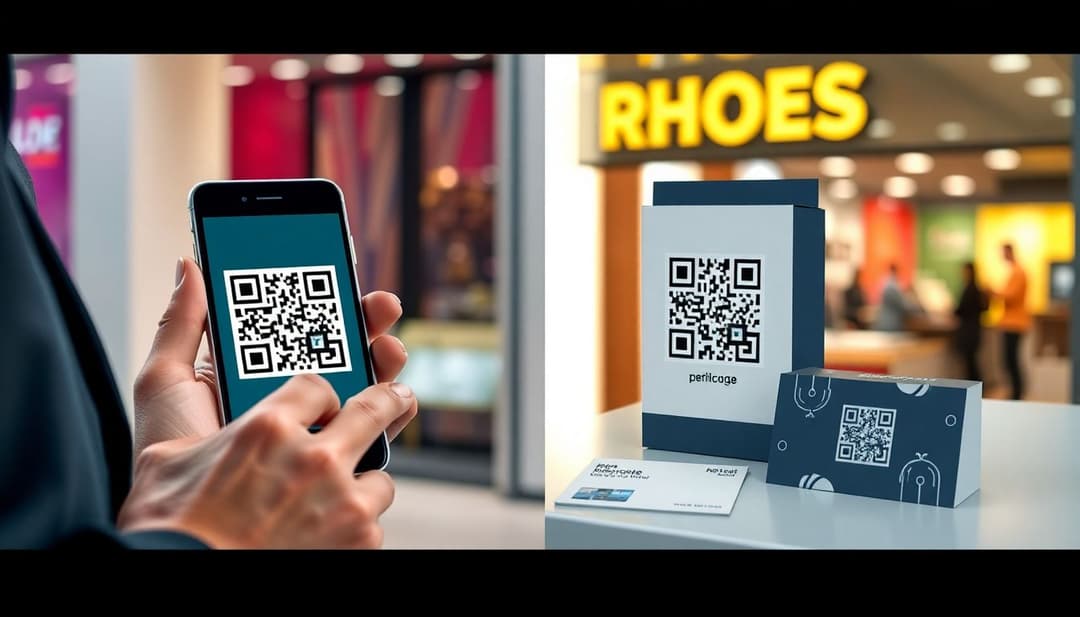
QR codes are popping up everywhere again. They used to be just for websites or product info, but today they’re a powerful tool for brands. When used smartly, QR codes boost engagement and help track results. They bridge the gap between offline and online channels, making marketing more effective. Want to make your brand stand out? Keep reading for tips on designing, placing, and tracking QR codes that work.
Quick Response (QR) codes are square barcodes packed with info. When you scan them with your phone, they instantly lead you to a website, video, or special offer. There are two main types: static QR codes, which don’t change, and dynamic QR codes, which you can update after printing. (Learn more about QR code types)
Brand identity extends to every single design that’s associated with your company. This includes colors, font, logo, business cards, and any related marketing and sales materials.
Adding a QR code makes it easy for customers to interact. Instead of searching for you online, they just scan. It helps connect your offline marketing—like posters or packages—with digital content. Plus, it boosts your brand’s visibility and makes your message stick.
Make your QR code reflect your brand. Use your brand colors, add your logo, or design around the code. Just keep the core pattern clear, so scanners don’t get confused. A logo in the middle is fine if it doesn’t block essential parts.
Position your codes where they’re easy to see and reach. Think product packaging, posters, menus, or receipts. Place them at eye level or near the call-to-action. Remember, the easier it is to find and scan, the better your results.
Keep it simple and clean. Make the code big enough to scan easily—at least 1 x 1 inch. Use high contrast colors like black on white. Avoid clutter around the code area. Test your QR code on different devices before launching.
Look for tools that offer good customization, analytics, and easy updates. Reputable services like Qr Code Generator, Beaconstac, or Scanova provide these features. Free options are available, but paid tools often give better tracking and design options.
Connect your code to something engaging and valuable. Think: targeted landing pages, videos, discount coupons, or your social media pages. Make sure all content loads fast and looks good on mobile devices. This is key since most scans happen on smartphones.
Dynamic QR codes let you change destination links after printing. This means you can adapt your campaign without reprinting. If a promotion ends or a new offer is live, update your link instantly.
Tell your audience what to do. Use clear calls-to-action like “Scan for a discount” or “See our menu”. Offer perks like coupons or prizes to motivate scanning. Make it a part of your sales pitch.
Keep your QR code design consistent with your branding. Use the same colors, fonts, and style. Combine QR codes with other marketing tools—social media, print, and email—to amplify your message. How QR codes fit into omnichannel marketing
Track how many people scan your code and what they do afterward. Look at conversions, time spent on your site, or purchases made. Use this data to tweak your campaigns and get better results next time.
Be clear about what data you collect from scans. Follow laws like GDPR or CCPA. Only collect what’s necessary and keep customer info safe. This builds trust and shows respect for privacy. (Understand GDPR)
Tell customers why you’re asking them to scan. Explain how their info helps improve their experience. Offer simple options to opt-out if they prefer not to share data. Building trust encourages continued engagement.
Using QR codes in branding isn’t just a trend. It’s a smart way to connect with your audience and grow your brand. Focus on creating eye-catching codes, placing them wisely, and tracking results. When done right, QR codes turn offline impressions into online interactions. Take these tips and start turning scanner interest into loyal customers today.

Discover how cafés can use QR codes for digital menus, marketing campaigns, loyalty programs, and more. This ultimate guide covers creative, practical uses to boost customer experience and streamline operations.
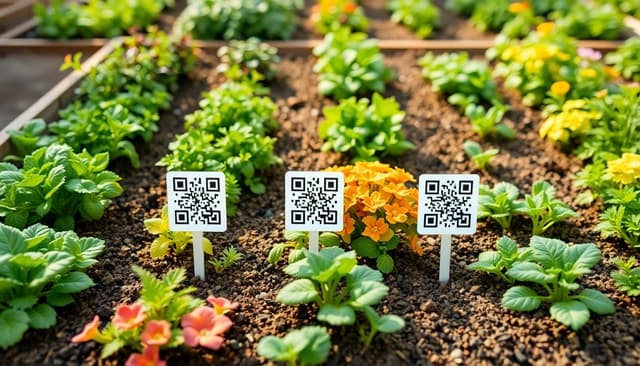
Explore 5 smart ways to use QR codes in gardening and plant care—from plant ID and care tips to garden tours and DIY guides. Make your green space more interactive and informative.

Learn how QR codes can securely store and share rental history for tenants and landlords. Streamline background checks, rental applications, and property management with ease.