
QR Code And Barcode
Generator
August 23, 2023
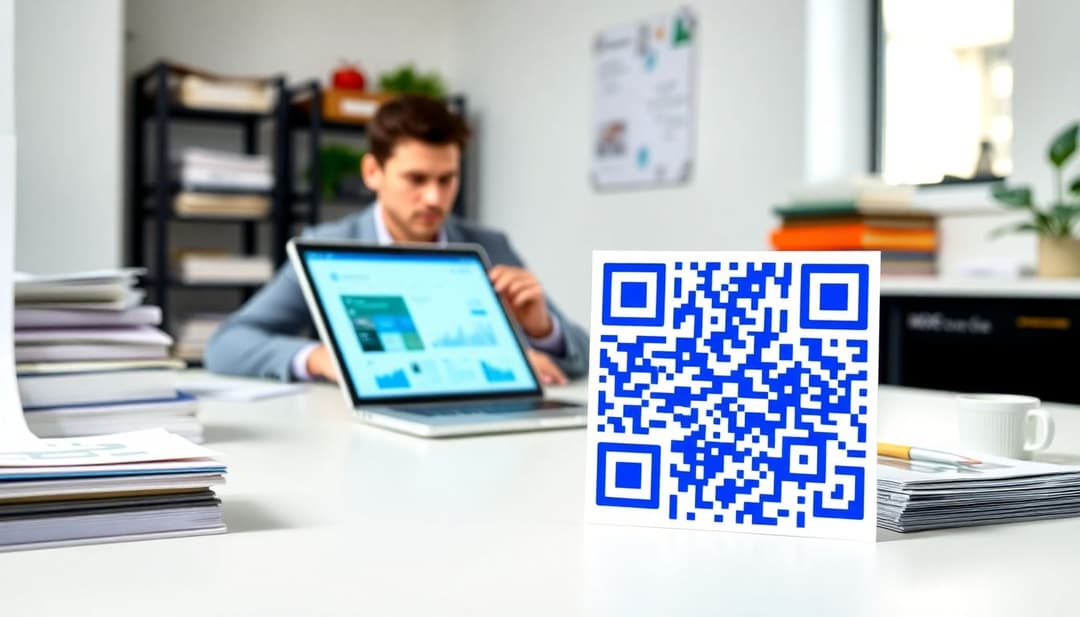
Did you know that email marketing has an ROI of around $36 for every $1 spent? Now, imagine boosting that return even more. Combining email marketing with QR codes can do just that! It's like adding a secret ingredient to your marketing recipe. Get ready to learn how to make your campaigns more engaging, trackable, and effective. This guide will teach you the ins and outs of using QR codes in your email strategy. Let's dive in and unlock the potential!
QR codes might seem mysterious. However, they're quite simple. It’s time to demystify these tools for marketing.
A QR code is like a barcode, but more advanced. Short for "Quick Response" code, it stores information. Your smartphone's camera can scan them. The code then directs you to a website, video, or other online content. Think of it as a shortcut. You bypass typing long web addresses. It's all about quick access!
QR codes enhance user experience. They bridge the gap between offline and online. They make mobile access easier. Scan rates rise when people aren't struggling to type URLs. Plus, you can track scans. See how many people interact with your emails. This data helps refine future campaigns. It's a win-win situation. Learn more about email marketing benchmarks to track your success.
There are two main types of QR codes. Static codes are permanent. Once generated, the destination can't change. Dynamic codes are flexible. You can alter the linked content anytime. For email marketing, dynamic codes are often better. Why? You can update promotions. You can fix broken links. This without changing the actual QR code.
Don’t just slap QR codes into your emails. Plan how they fit in. A strategy ensures you get real results.
What do you want to achieve? Do you want more website visits? More product sales? Define clear goals. Use SMART goals. Specific, Measurable, Achievable, Relevant, Time-bound. Then identify KPIs. Key Performance Indicators track progress. Examples include scan rate, conversion rate, and ROI.
Know your audience. What are their interests? What problems do they have? Tailor QR code content to match. If targeting young adults, link to trendy products. If targeting seniors, offer helpful resources. Match content to the needs. This creates better engagement.
Where you place the QR code matters. It should be visible. It should be easy to scan. Above the fold is good. That's the visible part without scrolling. Use clear calls to action. For example, "Scan here to get 20% off!" Good visual hierarchy leads the eye. It ensures high scan rates.
QR codes aren't just theory. See them in action. Real-world examples spark ideas.
Use QR codes to boost website visits. Link directly to product pages. Promote special offers. A clothing retailer might link to a new collection. A restaurant could link to their online menu. Make it easy to explore and buy.
Events benefit a lot from QR codes. Use them for event sign-ups. Offer quick check-ins at the door. Provide schedules or speaker bios. A conference could use QR codes on posters. Attendees scan to get the event app. It simplifies everything.
QR codes can gather info. Link to a survey or a signup form. Offer exclusive content in return. An ebook or a discount code. A consultant could offer a free checklist. Scan the QR code to download it. Lead generation becomes simpler.
Tracking is vital. It shows what works and what doesn’t. Analytics reveal campaign success.
Use a QR code generator with tracking features. Many platforms offer this. Google Analytics can also track QR code scans. Set up custom URLs. This allows you to monitor traffic. Watch the data closely. Check out Google Analytics QR Code Tracking for more details.
Scan rate shows how many people scanned the code. Conversion rate shows how many took action. ROI shows if the campaign was profitable. A high scan rate but low conversion rate suggests the landing page needs work. Analyze all metrics to improve.
Test different QR code designs. Test different placements. Test different calls to action. A/B testing shows what works best. Run two versions of an email. See which QR code performs better. This data helps optimize.
Follow best practices. Avoid common mistakes. This ensures your QR codes work.
Make QR codes visually appealing. Use brand colors, if possible. Add your logo in the center. But make sure it doesn't block the code. Consistency matters. This reinforces brand recognition.
Make sure landing pages are mobile-friendly. A clunky desktop site frustrates users. Optimize images. Reduce loading times. A seamless experience is key. People expect instant access on their phones.
Make sure QR codes are large enough. Too small, and they can't be scanned easily. Ensure good contrast between the code and background. Dark codes on light backgrounds work best. Always test the QR code. Broken links ruin the experience.
QR codes in email marketing offer big advantages. They boost engagement and provide trackable results. Use the tips and best practices in this guide. Implement QR codes in your next email campaign. Watch your marketing goals become reality!

Discover how cafés can use QR codes for digital menus, marketing campaigns, loyalty programs, and more. This ultimate guide covers creative, practical uses to boost customer experience and streamline operations.
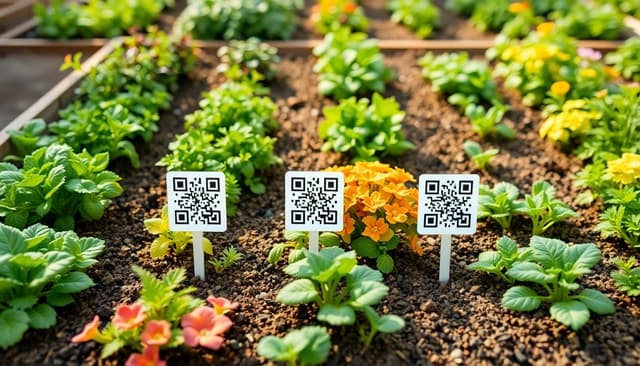
Explore 5 smart ways to use QR codes in gardening and plant care—from plant ID and care tips to garden tours and DIY guides. Make your green space more interactive and informative.

Learn how QR codes can securely store and share rental history for tenants and landlords. Streamline background checks, rental applications, and property management with ease.