
QR Code And Barcode
Generator
January 7 , 2024
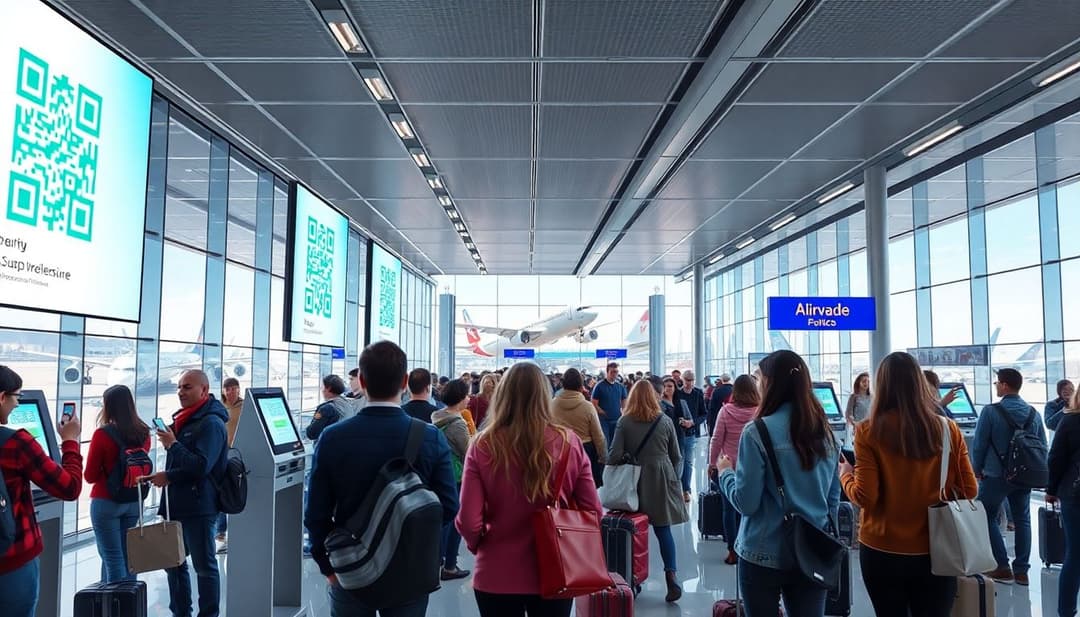
Traveling by plane has changed a lot over the years. Now, most airports and airlines use new technology to make flying easier. One of the most common tools is the QR code. These black-and-white squares help travelers check in, board, and get services without touching everything. QR codes also keep things safe by reducing contact. They make airport trips smoother and faster. So, how exactly are QR codes changing air travel? Let’s look at how this simple tech is reshaping your flying experience from start to finish.
Right now, 41% of boarding passes are mobile, and projections show that number will increase significantly over the next ten years. While many passengers are already using digital boarding passes, there’s still plenty of room for further adoption across the industry.
QR codes started out in Japan about 30 years ago, mainly for inventory tracking. Soon, airlines and airports saw their potential for travel. Early on, some airports tried using QR codes for boarding passes. Over time, better smartphones and scanners made these codes more useful. Today, QR codes are everywhere on planes, tickets, and luggage tags.
The COVID-19 pandemic sped up the use of contactless tech. Airports and airlines needed ways for passengers to stay safe and avoid touching shared surfaces. As a result, many invested in QR systems for check-in, baggage, and security. This shift has made QR codes a standard part of air travel worldwide.
QR codes make mobile check-in a breeze. Instead of printed tickets, passengers scan QR codes on their phones. This makes boarding faster and easier. Airlines like Delta and American Airlines use QR codes for instant boarding passes. It saves time and reduces paper waste too.
Many airports now have kiosks where travelers can check in and print luggage tags with QR codes. Apps on smartphones also allow for quick check-in when you’re in a hurry. For example, Dubai International Airport has fully integrated QR code check-in systems. These tools cut down lines and simplify the process.
QR codes are used at security. Instead of showing passports or boarding passes to agents, travelers scan a QR code to verify identity. This speeds up screening and keeps passengers safer. Improved flow through security lines means less waiting and more comfort.
Switching from barcodes to QR codes on luggage tags improves data capacity. Baggage scanners read QR codes quickly and more accurately. This means fewer lost bags and better control of your luggage.
Travelers and airlines both use QR codes to track bags live. Passengers get updates on where their luggage is at every step. Lufthansa, for example, now tracks baggage with QR codes, reducing lost luggage incidents significantly.
QR code systems tell airlines exactly where each bag is. Better inventory control means less chance of your suitcase getting lost. Plus, if luggage does go missing, quick scans help find it faster.
You don’t have to touch physical menus anymore. Passengers scan QR codes onboard to view a menu, watch in-flight entertainment, or buy drinks and snacks. It improves hygiene and adds a touch of tech class.
Some airlines now use QR codes for health certificates. Travelers show vaccination proof or COVID test results stored as QR codes. This helps meet health rules in different countries and keeps everyone safer during travel.
QR codes also create a more personal trip. Travelers tap into loyalty programs or get custom services through QR codes. This makes flying feel more special and tailored to your preferences.
Soon, QR codes may work with biometric checks like facial recognition. Imagine scanning a QR code to confirm your identity quickly without showing docs. Airports could also add IoT devices to connect everything smoothly.
Privacy and data security remain big worries. Travelers want their info safe when scanning QR codes. Plus, airlines and airports need to work on making systems compatible across borders and companies.
The trend is clear. More airports and airlines will adopt QR codes as standard. As tech advances, expect even smarter airport systems and services that make flying faster and safer.
QR codes are transforming every part of air travel. From check-in, security, baggage, to onboard services, they make flying easier and safer. As technology keeps evolving, QR codes will play an even bigger role. For travelers, this means smoother trips, less stress, and more safety. Airlines and airports should keep investing in this simple but powerful tool. The future of air travel is closer than ever to being contactless, connected, and more user-friendly. So, next time you fly, look for QR codes—they’re your ticket to a better journey.
Enjoy your travels! Keep an eye out for QR codes; they’re the small tech making a big difference in your flying experience.

Discover how cafés can use QR codes for digital menus, marketing campaigns, loyalty programs, and more. This ultimate guide covers creative, practical uses to boost customer experience and streamline operations.
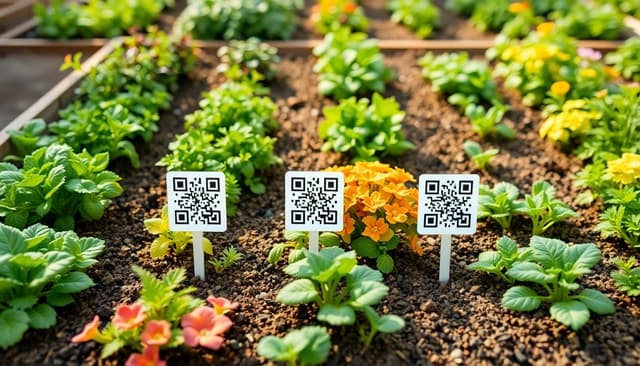
Explore 5 smart ways to use QR codes in gardening and plant care—from plant ID and care tips to garden tours and DIY guides. Make your green space more interactive and informative.

Learn how QR codes can securely store and share rental history for tenants and landlords. Streamline background checks, rental applications, and property management with ease.