
QR Code And Barcode
Generator
December 21 , 2023

The way we learn and teach has changed a lot in recent years. Smartphones and quick online access make it easier to get information fast. QR codes are becoming a key tool to connect the physical world with digital content. They help students stay engaged, make campus work smoother, and create fun learning experiences. Using QR codes the right way can give universities a boost in keeping up with tech trends and offering better services. Learn more from this in-depth article on Use of QR codes For Attendance.
QR codes placed at campus entrances and main buildings let visitors scan for instant access to digital maps. This makes finding classrooms, offices, or cafeterias quick and easy. It also cuts down on questions for staff and improves the visitor experience.
New students often feel lost at first. QR codes on flyers or posterslink to orientation videos, schedules, and FAQs. This quick access makes onboarding smoother and helps students find what they need right away.
During campus events like orientations or open houses, QR codes at key locations can show live updates and schedule changes. Students or visitors can stay informed without waiting for printed schedules.
Instead of handing out paper syllabi, teachers can put QR codes on course posters that link directly to the syllabus online. This keeps materials current and saves money on printing.
QR codes in classroom handouts can link students to videos, articles, or interactive tools. This offers extra help and makes learning more engaging.
Libraries can put QR codes inside stacks linking to digital catalogs, e-books, or research databases. Students can scan and access resources immediately, saving time and effort.
Students studying archaeology or architecture can scan QR codes during field trips for extra info on artifacts or buildings. It makes outdoor learning richer and more interactive.
Using QR codes in campus-wide scavenger hunts turns learning into a fun game. Clues help students discover different areas and learn important facts, boosting engagement.
Lab safety signs and protocols can include QR codes for quick access to detailed instructions or troubleshooting tips. Students can check steps without disrupting experiments.
QR codes on paper forms or emails send students directly to online registration. This speeds up the process and reduces mistakes.
QR codes on posters or flyers connect students to counseling, tutoring, or career services. Quick access encourages more students to seek help when needed.
Placing QR codes in classrooms makes it easy for students to fill out quick surveys or course evaluations. This gives teachers immediate feedback and improves classes.
QR codes at strategic campus spots give instant access to emergency guides, contacts, and procedures. It can save lives during crises.
When emergencies happen, QR codes can broadcast alerts and updates to everyone nearby. This ensures timely communication.
QR codes for health checks or COVID-19 contact tracing save time and reduce contact during health screenings.
QR codes on posters or brochures link to alumni stories or directories. It inspires students and builds strong networks.
Quickly direct people to event registration pages or donation forms with QR codes. This increases participation and donations.
QR codes can connect students to official social media pages for updates, news, and community events. It keeps everyone connected.
Place codes where students naturally see them. Make them large enough to scan easily. Test before using to ensure they work well.
Create multilingual QR codes for diverse campuses. Use designs that are accessible to students with disabilities, like high contrast or audio options.
Combine QR codes with augmented reality for immersive campus tours. Look out for dynamic QR codes that update content and analytics features to understand usage patterns.
QR codes are powerful tools that can transform higher education. They make campus navigation easier, improve access to resources, and encourage student interaction. Implementing them thoughtfully can save time, boost engagement, and create a safer campus. Schools that adopt these tech tips today set the stage for future-ready learning environments. Take action now and unlock the full potential of QR codes in your institution.

Discover how cafés can use QR codes for digital menus, marketing campaigns, loyalty programs, and more. This ultimate guide covers creative, practical uses to boost customer experience and streamline operations.
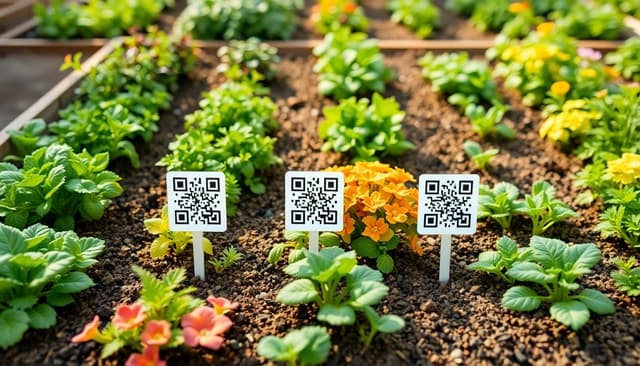
Explore 5 smart ways to use QR codes in gardening and plant care—from plant ID and care tips to garden tours and DIY guides. Make your green space more interactive and informative.

Learn how QR codes can securely store and share rental history for tenants and landlords. Streamline background checks, rental applications, and property management with ease.