
QR Code And Barcode
Generator
December 27 , 2023
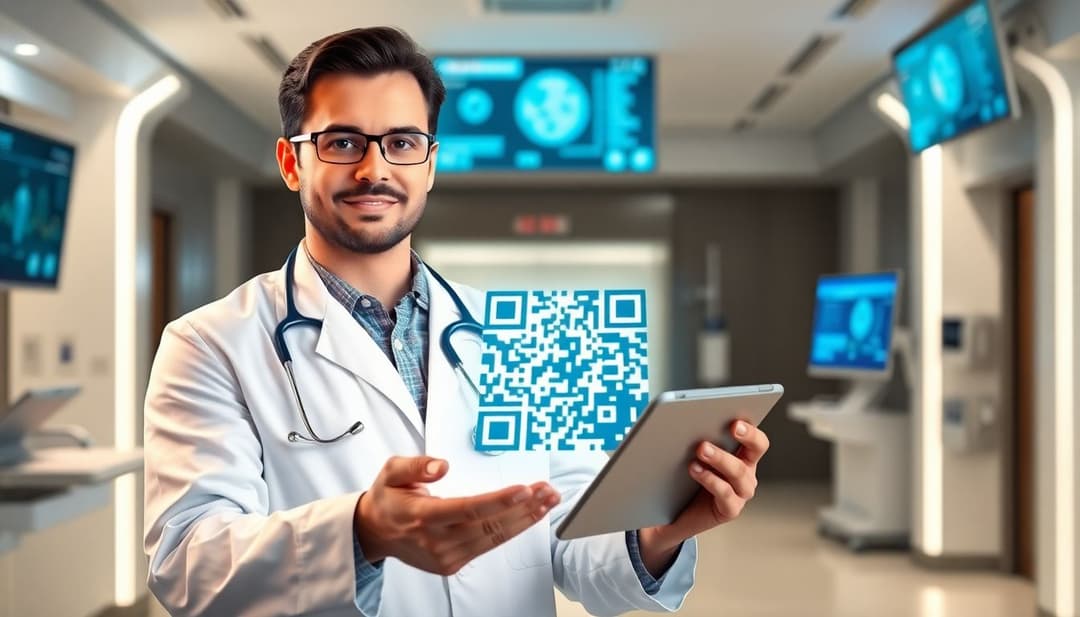
QR codes are popping up everywhere in healthcare today. From patient check-ins to medication labels, they make life easier. For medical pros, understanding how these codes work is key to unlocking their full potential. They boost efficiency, accuracy, help with patient education, and keep data safe. Knowing what QR codes do in healthcare can give you a big edge in your practice. Explore QR codes in medical practice.
QR stands for "Quick Response". These are square patterns that store info you can scan with a smartphone or device. Inside, they contain a mix of black and white modules arranged in a grid. When scanned, the code quickly sends data to the device, revealing patient info, links, or instructions. They encrypt and store data safely in a format that’s easy to access.
Security is critical in healthcare. Many QR codes encrypt info to protect patient privacy and comply with HIPAA. Use secure links and encrypted storage. Always follow best practices to prevent unauthorized access or data leaks.
Beyond efficiency, today’s patients expect a digital experience similar to what they find in other industries like retail, banking, and entertainment. According to Deloitte, many would consider switching providers if they don’t get a personalized, tech-friendly experience. QR Codes empower healthcare providers to meet these expectations, enabling smoother check-in processes, easy access to medical records, and more.
Proactive patient education improves outcomes. QR codes can link to instructional videos, usage tips, or health guides. For example, a pill bottle might have a code linking to safe usage advice, helping patients understand their care better.
QR codes speed up check-ins and form completion. Patients can scan to confirm appointments, fill out forms, or even sign digital consent forms. This cuts down wait times and eliminates paperwork clutter.
QR codes reduce medication errors. Each package can have a unique code for tracking usage. They're also used on lab samples to ensure proper chain of custody, helping avoid patient mix-ups.
Hospitals use QR codes to track equipment and supplies. Scan codes to check stock levels, view maintenance history, and monitor expiration dates. This prevents loss and improves efficiency.
QR codes connect patients to telemedicine platforms and health monitoring tools. They can scan to access online appointments or upload health data, making remote care smooth and timely.
A recent study by the British National Health Service found that many patients struggle to understand the information provided with their medications. Often, they turn to the internet in search of clarity, where they encounter a myriad of unverified sources and potentially misleading information. For healthcare professionals, this reliance on “Dr. Google” for medical insights poses significant risks to patient safety and well-being.
Use trusted generators for creating QR codes. Choose dynamic codes when updates are needed. Always validate accuracy and include fallback info if scanning fails.
QR codes should work with your EHR system. They can auto-fill fields or update patient files during care. Coordinate with your EHR vendor for smooth implementation.
Train your staff to create, scan, and explain QR codes properly. Teach patients how to use them safely and understand what info is shared.
Comply with HIPAA and data protection laws. Use encrypted links, mark QR codes clearly, and get informed consent when needed.
Some facilities may have Wi-Fi issues or device incompatibility. Invest in strong infrastructure and compatible scanners. Always have backup plans.
Without safeguards, QR codes could leak patient data. Use end-to-end encryption, restrict access, and monitor usage.
Some users may be hesitant. Provide clear training, show real-life benefits, and build trust by demonstrating success stories.
AI and augmented reality (AR) are being integrated with QR codes for smarter diagnostics and education. NFC chips and QR technology may merge for even faster data exchange. Expect broader use in mainstream healthcare soon. Read about future healthcare tech.
QR codes are a game-changer in healthcare. They enhance efficiency, protect patient data, and support digital transformation. With the right approach, QR codes can simplify care and support better outcomes for everyone involved.
Start exploring how QR codes can transform your healthcare practice today. The future of care is digital—and QR codes are at the forefront.

Discover how cafés can use QR codes for digital menus, marketing campaigns, loyalty programs, and more. This ultimate guide covers creative, practical uses to boost customer experience and streamline operations.
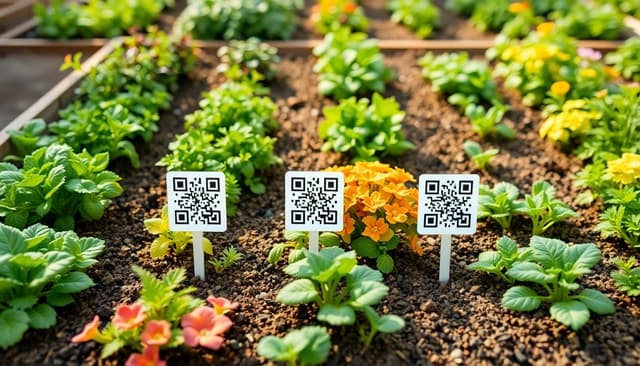
Explore 5 smart ways to use QR codes in gardening and plant care—from plant ID and care tips to garden tours and DIY guides. Make your green space more interactive and informative.

Learn how QR codes can securely store and share rental history for tenants and landlords. Streamline background checks, rental applications, and property management with ease.