
QR Code And Barcode
Generator
December 14 , 2023
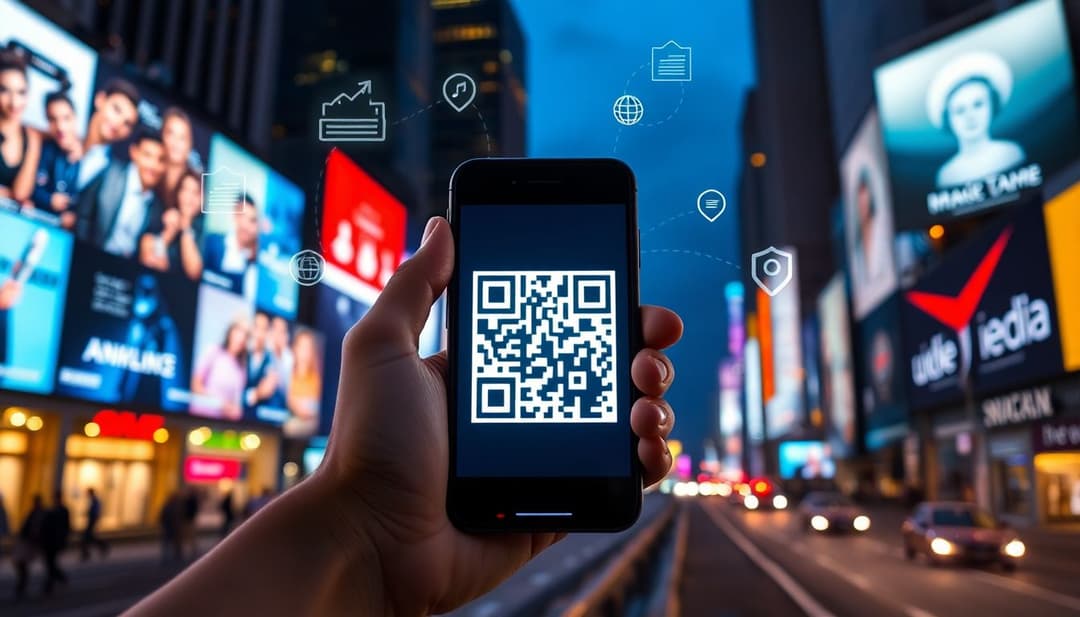
QR codes are everywhere. From menus in restaurants to advertising billboards, they're making a comeback. Digital ads are getting smarter by adding QR codes to boost user interaction. Knowing how to use them right can turn a simple scan into more sales or leads. But jumping in without understanding the rules can backfire. As more people are comfortable scanning, brands have a real chance to connect better with their audience.
QR codes bridge the gap between offline and online worlds. Imagine a banner ad with a QR code that takes someone directly to a product page. It turns a quick glance into an instant action. Brands have used QR codes in campaigns like fashion retail sales, which saw a spike in customer visits and purchases. They make it easy for users to interact without typing in lengthy URLs. Check out how QR codes Used for Parking to drive traffic.
QR codes aren’t just about links anymore. They help gather real data on user behavior. When someone scans a code, you learn where they are, what device they use, and whether they make a purchase afterward. This info is gold for marketers trying to improve their strategies. You can track how many people scanned your ad, their locations, and even the time of day they did it using Google Analytics.
Compared with other digital tools, QR codes are cheap to create and update. You don’t need new printed material for every campaign—just a new link or offer. For example, many small businesses use QR codes for in-store promos or online ads, saving money while still reaching large audiences.
Who is most likely to scan a QR code? Usually, people aged 18 to 45 are the most comfortable. They tend to be tech-savvy and used to quick digital actions. If your audience includes older customers, you may want to test their willingness or explain how scanning works.
Studies show that over 50% of smartphone users are open to scanning QR codes. However, some remain hesitant. To encourage newbies, keep the process simple. Use clear instructions and highlight added value, like discounts or exclusive content.
Static QR codes are fixed once created. They never change, so if the link breaks, it’s a problem. Dynamic QR codes, on the other hand, allow you to update the destination after printing or publishing. Use static codes for simple, one-time campaigns. Opt for dynamic codes when you need flexibility.
Make your QR codes stand out. Add your logo or brand colors to make them recognizable. Keep the design clean but eye-catching. A poorly designed QR code can look suspicious or be hard to scan.
QR codes work best where they’re easy to find. Incorporate them into banner ads, social media posts, or videos. Avoid clutter around the code, so it doesn’t get lost or ignored. Position it where viewers’ eyes naturally go.
A QR code should be at least 1 x 1 inch to scan easily. Use high contrast colors—black on white is classic, but bright colors with dark backgrounds can work too. Test the size and design on different screens before going live.
Make sure landing pages are mobile-friendly since most scans happen on smartphones. Slow pages or clunky navigation will turn users away. Keep the content simple and fast-loading.
Tell users what to do. Use straightforward phrases like "Scan to Get a Discount" or "Try it Now." Clear instructions increase scan rates because people know what’s expected.
Always double-check the content behind your QR code. It should bevaluable, relevant, and accurate. A dead link or irrelevant page kills trust fast.
Test your QR codes on different smartphones and scanning apps. They should work everywhere, from the latest iPhones to older Androids. Compatibility issues cause frustration and missed opportunities.
Follow laws like GDPR and CCPA. Be transparent about what data you’re collecting from scans. Asking for permission builds trust.
Clearly explain how you’ll use the data. For example, “Scan to receive exclusive offers and help us improve our service.” Avoid shady or sneaky tactics that might scare users away.
Make your QR code blend well with your ad but still pop out enough to attract attention. Place it where viewers’ eyes naturally land. Add a call-to-action nearby, like “Scan here to save 20%.”
Encourage scanning by offering rewards. Think discounts, exclusive content, or entry into a contest. This extra motivation boosts scans and engagement.
If scans are low, check your code’s size, placement, or design. Sometimes, it’s just invisible or hard to scan. Adjust placement or make the code more noticeable.
Always test your QR codes before launching. Generate codes with reliable tools. If you change the destination link, update the code promptly.
Too many QR codes can overwhelm. Keep the design clean. Use them sparingly in ads to maintain visual appeal and focus.
Lessons learned? Clear purpose, eye-catching placement, and seamless user experience lead to success.
Adding QR codes to your digital ads can unlock new levels of engagementand data insights. But rushing in without careful planning can waste time and money. Focus on understanding your audience, designing attractive codes, and ensuring a smooth experience. When done right, QR codes become a powerful tool to turn viewers into customers. Keeptesting, tracking, and optimizing. That way, every scan counts toward your marketing goals.

Discover how cafés can use QR codes for digital menus, marketing campaigns, loyalty programs, and more. This ultimate guide covers creative, practical uses to boost customer experience and streamline operations.
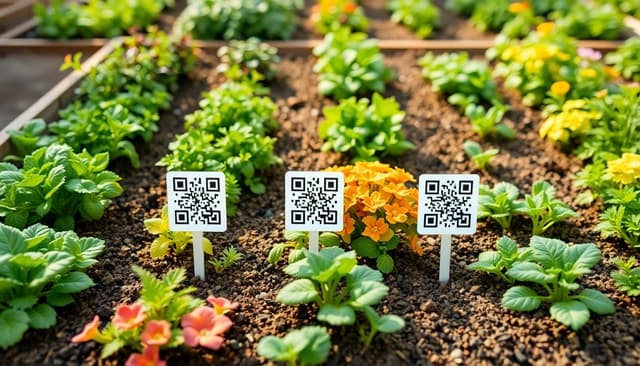
Explore 5 smart ways to use QR codes in gardening and plant care—from plant ID and care tips to garden tours and DIY guides. Make your green space more interactive and informative.

Learn how QR codes can securely store and share rental history for tenants and landlords. Streamline background checks, rental applications, and property management with ease.