
QR Code And Barcode
Generator
December 13 , 2023
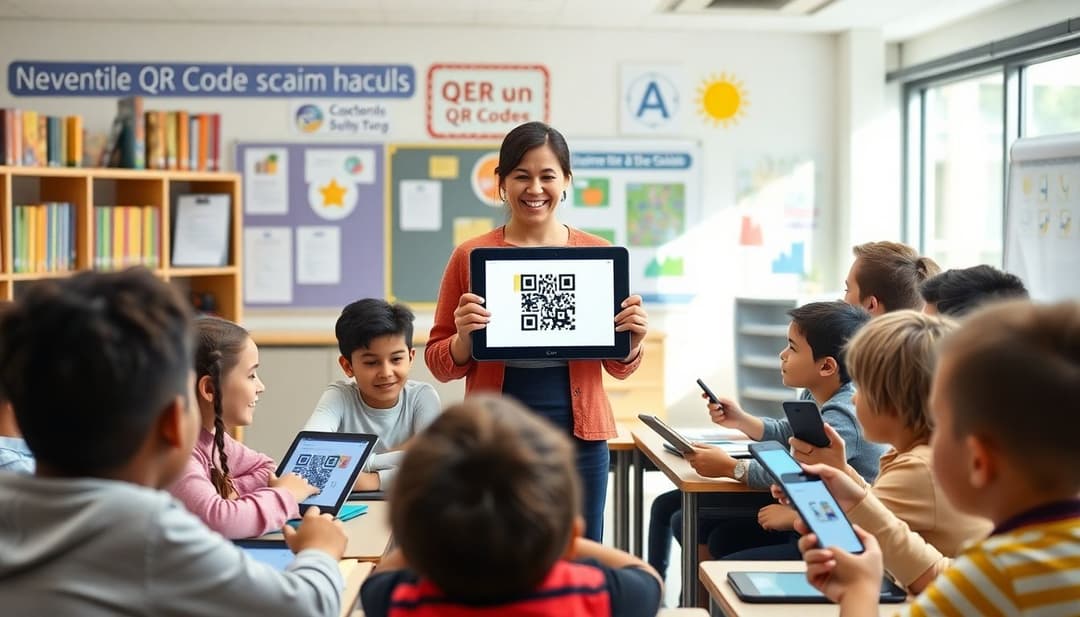
QR codes are popping up everywhere — from ads to grocery stores. Now, they’re making big waves in classrooms too. Teachers use QR codes to turn boring lessons into exciting adventures. They help students connect with digital content quickly and easily. This article explores how educators are creatively using QR codes to boost student engagement and understanding.
Once mainly used for marketing, QR codes have found a new home in education. Over the past decade, schools started using them as quick links to learning resources. As smartphones and tablets became common, QR codes transformed from a novelty into helpful tools in schools.
QR codes are simple to use, making them accessible for students of all ages. Students can scan a code with their device to instantly access videos, quizzes, or reading materials. Plus, they are inexpensive and require little technical setup, making them perfect for classrooms on a budget.
Recent data shows that over 70% of teachers have used QR codes for lessons. Engagement levels spike when students can access content on their own devices. These numbers highlight the growing acceptance of QR codes as educational tools.
Teachers link QR codes to videos, podcasts, or interactive tutorials. For example, a science teacher might use a QR code to connect students to a virtual lab demonstration. Students watch experiments unfold in real time, making abstract concepts easier to grasp.
QR codes allow students to jump directly to worksheets or reading materials. During class, a teacher might post a QR code on the board for instant access. This speeds up workflow and keeps students focused on the lesson.
QR codes make sharing project resources simple. For group work, students scan codes to access instructions or peer feedback forms. This method encourages teamwork and improves communication skills among students.
Every student learns differently. QR codes help tailor lessons by linking to customized content. For instance, a teacher might use QR codes to direct students to different activities based on their skill levels—more challenging tasks for advanced learners and step-by-step guides for those who need extra help.
There are many tools—like Qr Code Generator that help generate codes quickly. Label and organize codes clearly so students know what they’re scanning. Keeping track of links helps avoid confusion later.
Embed QR codes into physical handouts, posters, or digital presentations. Make sure the codes are easy to scan and accessible for all students, including those with disabilities. Practice using them before class to troubleshoot any problems.
Invite students to create their own QR codes. They can link to presentations, project summaries, or favorite learning websites. This activity promotes ownership and curiosity, turning students into explorers of digital content.
QR codes boost engagement and motivation. Students love the instant access, which keeps lessons lively. These tools encourage students to explore independently and develop curiosity about the subject matter.
Not all students have devices, which can create barriers. There’s also risk of distraction if students misuse the technology. Teachers must consider privacy concerns and set clear guidelines for responsible use.
Offer shared devices or flexible access options. Set clear rules and teach digital citizenship. Keep activities focused and relate them to learning goals to minimize misuse.
A middle school introduced QR codes for science lessons. Students scanned codes to watch videos, answer questions, and even submit their work. Teachers reported higher test scores and more enthusiasm during lessons.
Some classrooms run scavenger hunts with QR codes hidden around the school. Others create interactive quizzes, or use QR codes for digital field trips, making learning fun and memorable.
Many experienced teachers say QR codes work best when they’re part of a bigger plan. Use them to supplement lessons, not replace traditional teaching. Always keep student safety and privacy in mind.
QR codes will likely get even smarter with new tech, like Augmented Reality (AR) or Virtual Reality (VR). Imagine scanning a code to see a 3D model of a volcano or historical site. Personalized learning experiences could become more common, helping every student learn at their pace. Researchers are also studying the best ways to use QR codes for maximum impact.
QR codes are transforming how teachers deliver lessons. They make information easy to access, engaging, and fun. When used right, QR codes can boost student motivation while supporting different learning styles. Teachers who explore this technology open doors for students to discover and learn more actively. Don't hesitate—try adding QR codes to your classroom and watch your lessons come alive!

Discover how cafés can use QR codes for digital menus, marketing campaigns, loyalty programs, and more. This ultimate guide covers creative, practical uses to boost customer experience and streamline operations.
Explore 5 smart ways to use QR codes in gardening and plant care—from plant ID and care tips to garden tours and DIY guides. Make your green space more interactive and informative.
Learn how QR codes can securely store and share rental history for tenants and landlords. Streamline background checks, rental applications, and property management with ease.