
QR Code And Barcode
Generator
December 16 , 2023

Technology is changing how students learn every day. Interactive tools like QR codes make textbooks more than just reading materials. They turn passive learning into active exploration. QR codes are simple to add but can boost student interest and understanding. Teachers who use QR codes can transform standard books into engaging, hands-on lessons. Want to make your lessons more interactive? Using QR codes is a smart way to do that. For a broader view on digital education tools, check out ourQR code Generator.
According to the Cooper Institute, 60% of students struggling with learning may have undetected or untreated vision problems. Moreover, learning disabilities like dyslexia affect as many as one in five people. This often means that many students are unable to take advantage of written learning materials as effectively as their peers, resulting in poor performance.
QR codes can link students directly to videos, animations, or 3D models. When students scan a code, they can view visual explanations that clarify difficult ideas. For example, a science textbook might have a QR code that shows a lab demonstration or a 3D model of the human heart. This makes learning more interactive and helps students see concepts in action.
QR codes also give quick access to extra learning resources. Teachers can link to articles, research papers, or tutorials to deepen understanding. For example, a history book might include a QR code that links to primary source documents or relevant news stories. Always use trusted sources to ensure quality content.
QR codes boost participation through fun classroom activities like scavenger hunts and interactive quizzes. For example, teachers can hide QR codes around the classroom with questions about a lesson. Students scan and answer using their devices. This type of gamified review improves both engagement and retention.
QR codes also support group collaboration. Students can create and share QR codes linking to their projects or portfolios. This encourages peer learning and digital creativity, while promoting teamwork.
Not all students learn the same way. QR codes can link to audio recordings, translated versions, or alternative formats. This makes materials more inclusive and helps students with disabilities, literacy challenges, or ESL backgrounds better access learning.
Bilingual books can include QR codes that translate key words or passages. This allows students to read and understand materials in their native language. For example, a QR code in a science book could provide a translated explanation of key terms.
QR codes can link to short quizzes or polls students take after a lesson. Teachers get instant feedback on student understanding. This helps identify areas that need more review and allows quick adjustments. Try tools like Quizizz or Mentimeter for engaging assessments.
Reflection activities are easy with QR codes. Teachers can create prompts or surveys and link them through QR labels. Students scan and share what they learned or found difficult, giving teachers helpful insights in real time.
QR codes enhance hands-on learning. An art textbook can include codes that link to video tutorials or printable templates. This bridges offline and online learning for a smoother experience.
Students can create their own QR codes to link to their work—videos, digital posters, or interactive reports. This builds digital literacy and creativity, while allowing students to take pride in sharing their projects.
Some QR platforms offer scan analytics—tracking how often each QR code is used. Teachers can discover which materials engage students most and refine their teaching accordingly.
Reviewing student QR usage data can help guide lesson planning. If few students interact with a certain resource, it might be time to update it. This data-driven approach helps personalize and improve instruction.
QR codes have the power to revolutionize how students interact with textbooks and lessons. From videos to translations, and from assessments to creativity, QR codes support a more dynamic, personalized, and inclusive learning environment. Start integrating these simple tools today to create a more engaging and future-ready classroom.

Discover how cafés can use QR codes for digital menus, marketing campaigns, loyalty programs, and more. This ultimate guide covers creative, practical uses to boost customer experience and streamline operations.
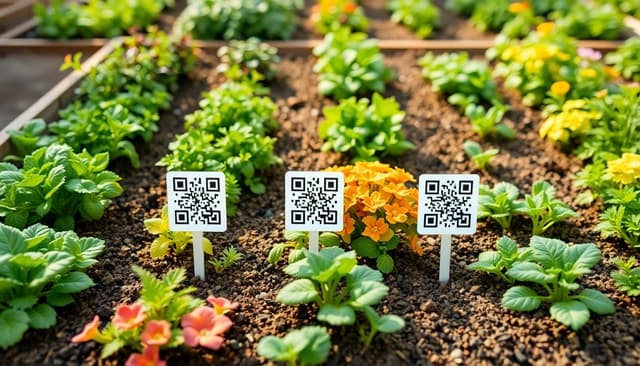
Explore 5 smart ways to use QR codes in gardening and plant care—from plant ID and care tips to garden tours and DIY guides. Make your green space more interactive and informative.

Learn how QR codes can securely store and share rental history for tenants and landlords. Streamline background checks, rental applications, and property management with ease.