
QR Code And Barcode
Generator
January 4 , 2024
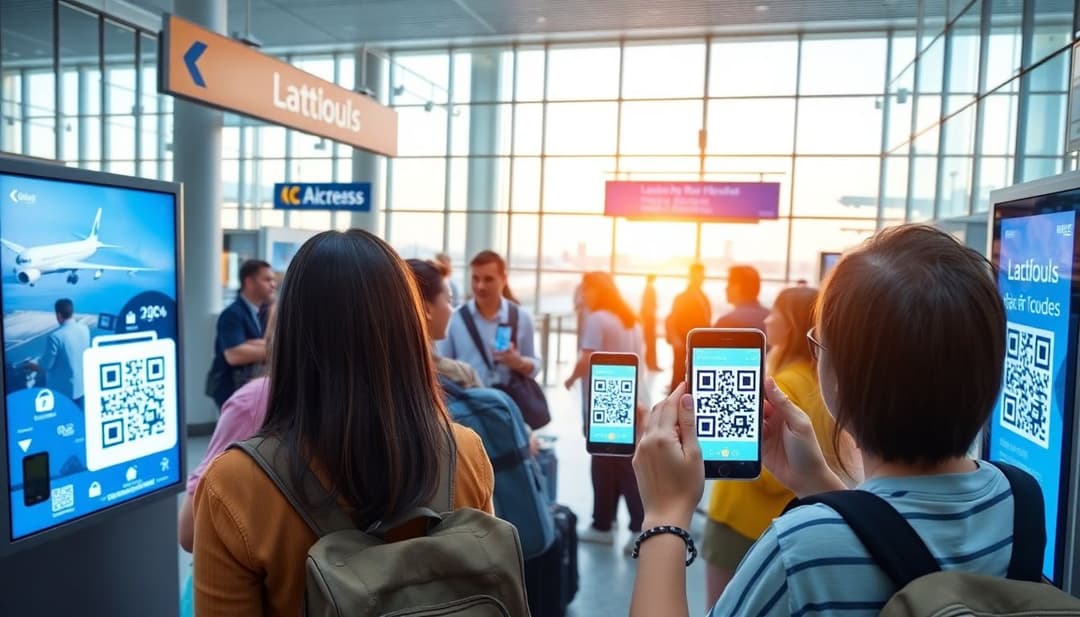
QR codes are popping up everywhere, especially in travel. These simple black-and-white boxes can pack a punch for travelers and businesses alike. As more people look for contactless options, QR codes make it easier to share info, buy tickets, or access services without touching anything. Since the pandemic, QR code use in tourism has surged—up by over 20% in the last few years. This growth shows just how key these tiny codes are becoming in the travel world. This article explores the biggest benefits, real examples, and steps to start using QR codes in your travel business or trip.
QR codes make sharing info quick and simple. Instead of printed pamphlets or paper tickets, travelers scan to get their boarding passes, hotel info, or restaurant menus. For instance, many airports now let you check in by scanning a QR code. Hotels also put QR codes in rooms so guests can access everything from room service menus to local guides. To make travel easier, add QR codes at all key touchpoints—like tickets and info screens.
W hotel in Philadelphia is using QR Codes in every aspect of the consumer experience, most notably in the hotel rooms. QR Codes greet customers as they enter their room, allowing the customer to scan and access room service menus.
In today’s health-conscious world, contactless is king. Using QR codes cuts down on physical contact, keeping travelers and staff safer. Restaurants, for example, replaced menus with QR codes so guests scan to see the menu on their phones. Payments too? Tap and scan instead of cash or cards. This not only stops germs but also speeds up service, making everyone feel safer and more comfortable.
QR codes save money and boost interaction. Unlike printed flyers, they can be updated anytime, saving printing costs. Travel companies use them for special offers, discounts, or loyalty rewards. It’s a great way to connect with travelers after they finish their trip or visit. Industry reports show that brands using QR codes see higher engagement rates. Think of QR codes as a tiny, affordable billboard that travelers carry with them.
Every time someone scans a QR code, you get valuable info. Hotels and attractions can see what content travelers are interested in most. Which tours are popular? Which offers get the most scans? Using analytics tools, you can track behavior and optimize marketing. This helps you better understand your audience and improve future services.
QR codes are perfect for giving tourists extra info. They can provide audio guides, virtual tours, or sell tickets with just a quick scan. For example, at the Eiffel Tower, visitors use QR codes to learn multilingual details or buy tickets without waiting in line.
Tourism departments in India have launched QR Code systems across tourist and historical sites to get feedback from tourists passing through. Not only is this a way to assess satisfaction with an experience, but they can evaluate safety and address concerns that may arise.
Hotels now offer digital check-in and even contactless room keys through QR codes. Guests scan to bypass long lines or open their doors. Big hotel chains report faster check-ins and higher guest satisfaction when using QR codes.
QR codes are changing how we move through airports and stations. Boarding passes are scanned from your phone, and schedules or route info are just a quick scan away. Some hubs use QR codes to speed up security and boarding.
QR codes in restaurants replace physical menus and enable contactless payments. This reduces costs and boosts hygiene, all while offering a modern dining experience.
QR codes simplify registration, access badges, and session navigation. Attendees can scan to connect with speakers or access event schedules. This streamlines event logistics and boosts engagement.
Look for reliable tools that offer analytics and custom design options. Great options include: QR Code Generator, Beaconstac, and Unitag.
Keep it clear with calls to action like “Scan for tickets.” Make them large and visible. Add branding to look professional. Use dynamic QR codes so you can update links even after printing.
Map out the traveler journey and place codes where they’ll see them—on tickets, signs, or room doors. Position them where they make sense and are easy to scan.
Use clear visual cues and emphasize benefits like safety and speed. Offer small incentives like discounts to boost scan rates.
Use data tools to track scans and optimize placements. Adjust based on real performance to maximize engagement.
QR codes are a simple but powerful tool for both travelers and businesses. They improve convenience, safety, and customer experience. Whether at attractions, airports, or hotels, QR codes are transforming how we travel. Start small, test what works, and grow your QR code strategy over time—they’re here to stay.

Discover how cafés can use QR codes for digital menus, marketing campaigns, loyalty programs, and more. This ultimate guide covers creative, practical uses to boost customer experience and streamline operations.
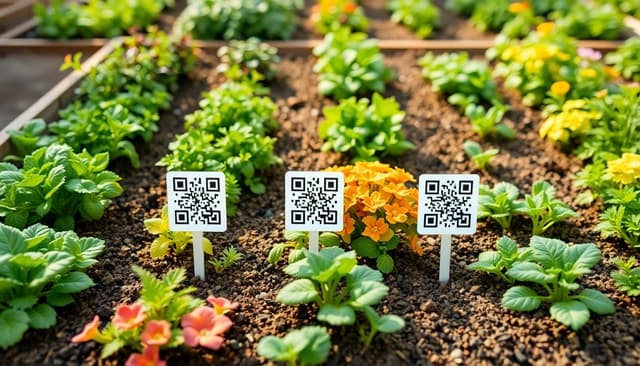
Explore 5 smart ways to use QR codes in gardening and plant care—from plant ID and care tips to garden tours and DIY guides. Make your green space more interactive and informative.
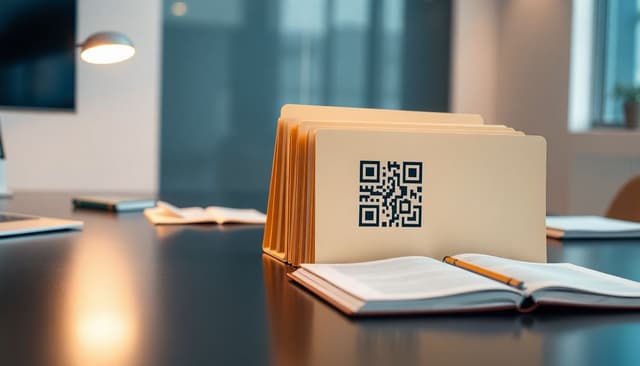
Learn how QR codes can securely store and share rental history for tenants and landlords. Streamline background checks, rental applications, and property management with ease.