
QR Code And Barcode
Generator
December 16 , 2023
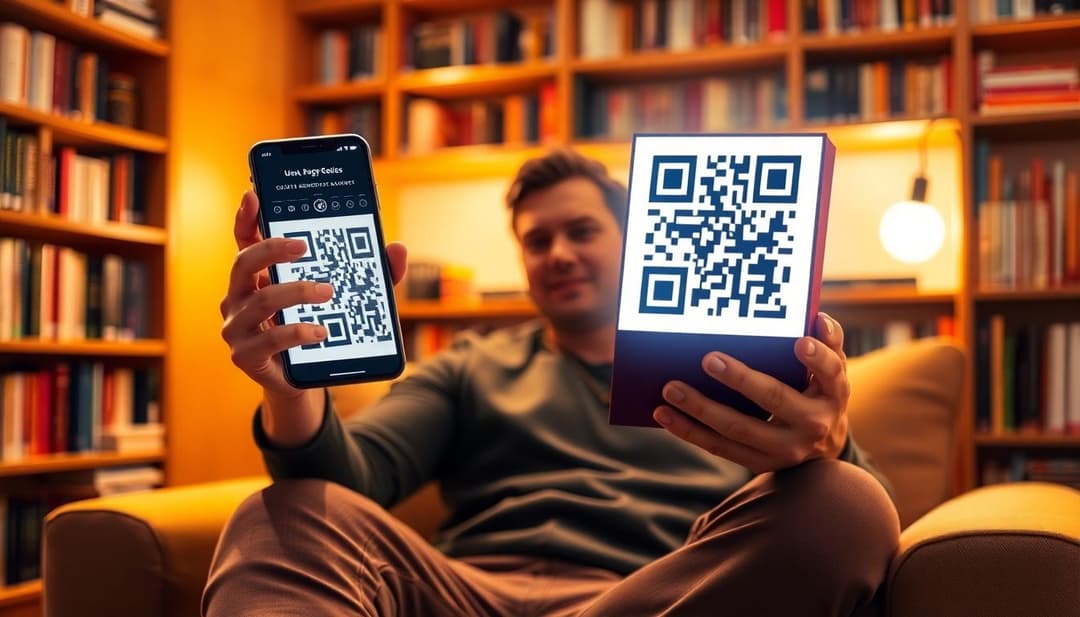
Audiobooks are booming, with more listeners tuning in each year. As they grow in popularity, publishers and authors look for smarter ways to share these stories. One simple way is through QR codes—small squares that connect people to content instantly. These codes make it easy for users to find and listen to audiobooks without typing in lengthy links. For marketers, QR codes open new doors to reach audiences quickly and efficiently. This guide is built to help you understand how to use QR codes to boost your audiobook sales and engagement.
QR codes are those black-and-white squares you’ve seen on posters, books, and packaging. They store data that can be quickly read by smartphones or tablets. When someone scans a QR code, it instantly opens a link, showing images, videos, or audio. Think of QR codes as digital shortcuts that take users right to the content they want—no need to type long URLs.
QR codes make it easy for listeners to get to your audiobook. Instead of searching or remembering a web address, they just open their camera app and scan. This convenience can boost your sales and help new listeners discover your work. Plus, QR codes make your marketing more interactive and appealing. They are especially helpful for visually impaired audiences who rely on accessible content and tech-savvy listeners who prefer quick access.
Many publishers add QR codes on book covers or posters. For example, a new mystery novel might feature a QR code on the front cover, linking directly to the audiobook stream. Some campaigns give away free previews or discounts through QR codes, motivating more people to try out new titles. These simple tools have proven effective in increasing audiobook sales and engagement.
Select a trustworthy tool to create your QR codes. Look for features like security, reliability, and easy editing. Popular options include Qr Code Generator, Bitly, and Kaywa. These platforms let you create both static and dynamic codes— dynamic codes are ideal for tracking scans and making updates.
Be sure to link your QR codes to the right platform—your website, streaming service, or download page. Keep links short and mobile-friendly. Test them on mobile devices to ensure smooth performance. If your audiobook is available on multiple platforms, consider linking to a landing page with all options using a tool like Linktree.
Make your QR code match your branding. Add your logo and use your brand’s colors while ensuring contrast for scannability. A clean, attractive code catches attention while staying functional.
Always test your QR codes before printing or sharing online. Use multiple devices to make sure they work. Dynamic codes allow updates to the destination URL without changing the code image—ideal for marketing campaigns. Use scan tracking tools to monitor performance and optimize your efforts.
Place QR codes where they’ll be noticed—on book covers, inside flaps, posters, or packaging. For print materials, use eye-level or corner placement. On digital channels, insert codes in areas that naturally lead to interaction. Visibility and ease-of-use are key.
Add clear calls to action like “Scan to listen now” or “Get a free preview.” Use rewards such as exclusive content or discount offers to encourage scanning.
Use analytics tools to track how often and where your QR codes are scanned. Platforms like Qr Code Generator offer real-time scan data. This insight lets you improve your marketing efforts based on actual engagement.
Marketing professionals recommend simplicity, clarity, and frequent testingto ensure QR code effectiveness. They also emphasize the importance of ongoing performance trackingfor campaign improvement.
Ensure your QR codes are large enough and placed in easy-to-reach areas. For users without smartphones, provide alternative access options like clickable links in emails or social media posts. Inclusivity improves reach.
Include short, helpful instructions like “Open your camera app and scan the QR code.” Let users know what to expect and that scanning is fast, free, and secure.
If a code isn’t scanning well, check for issues like low contrast, small size, or busy design. Always provide a backup link or support info so users aren’t left stuck.
Look for QR codes that offer augmented reality or embedded video previews. These features enrich the audiobook experience and help you stand out.
QR codes may soon work with blockchain technology to verify audiobook ownership or AI-based recommendations to personalize content after a scan. These advances will make content delivery smarter and more secure.
Experts predict increased adoption of QR codes in audiobook marketing, especially as platforms offer new analytics and media integration options. Stay ahead by exploring new ways to engage listeners.
Using QR codes for audiobooks opens many doors. They make sharing easier, boost engagement, and connect listeners instantly. By creating thoughtful, well-placed codes and tracking their performance, you can grow your audience and increase sales. Embrace emerging tech to stay future-ready and make the most of every marketing opportunity.

Discover how cafés can use QR codes for digital menus, marketing campaigns, loyalty programs, and more. This ultimate guide covers creative, practical uses to boost customer experience and streamline operations.
Explore 5 smart ways to use QR codes in gardening and plant care—from plant ID and care tips to garden tours and DIY guides. Make your green space more interactive and informative.

Learn how QR codes can securely store and share rental history for tenants and landlords. Streamline background checks, rental applications, and property management with ease.