
QR Code And Barcode
Generator
December 2 , 2023
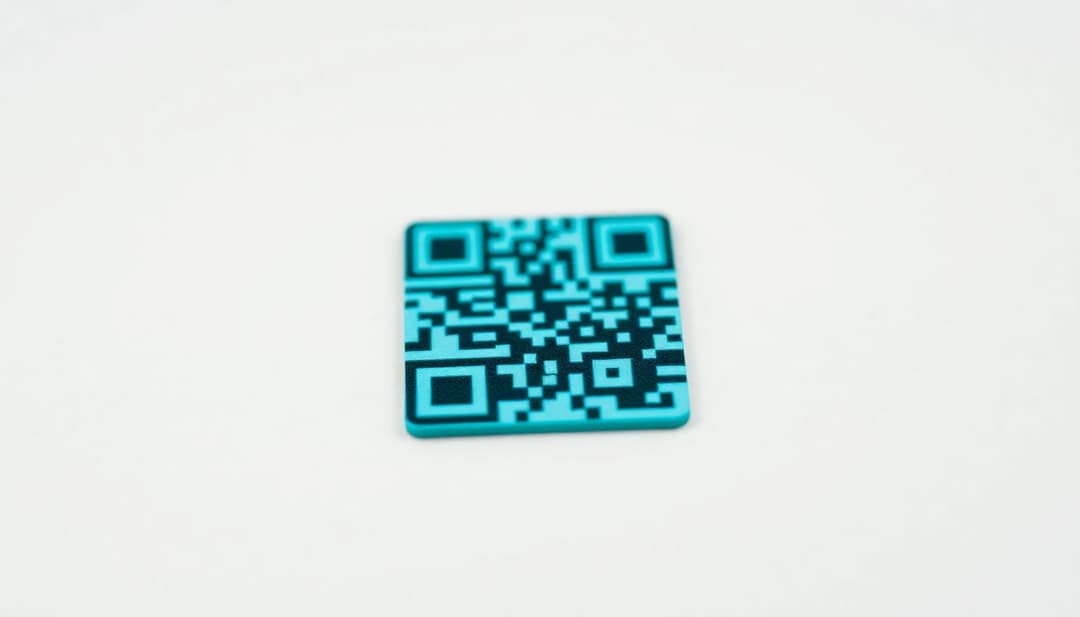
QR codes are everywhere! These little squares link us to websites, videos, and all sorts of information. But have you ever struggled to scan a QR code? Maybe it was too small or blurry. Size matters! How small can a QR code be and still work? Let's find out.
Many things affect the smallest usable QR code size. Data density is one. Error correction levels also matter. Scanning distance, and the complexity of the information stored, play a role. Smaller isn't always better.
More data means a more complex QR code. Think of it like packing a suitcase. More stuff means tighter packing. This leads to smaller modules(the little squares). Smaller modules can be harder to scan. They require better resolution.
QR codes have error correction. This means they can still work even if damaged. There are four levels: L, M, Q, and H. "L" is the lowest, "H" is the highest. A higher level lets you make a QR code smaller, but it also makes it more complex overall.
What's a good size for your QR code? It depends! It is based on if it isprinted versus on a screen. These are just guidelines. Testing is key!
Print size matters. Think about how far away people will be. For something held in your hand (12–18 inches), aim for 1x1 inch. This is a good starting point. Think about DPI (dots per inch). Higher DPI means sharper images. Consider a larger size for signs read from far away. If it's a billboard, make it much bigger!
Screens are different than paper. Pixel density comes into play. A phone screen can show smaller QR codes. A billboard needs a much larger one. Think about responsive scaling. This means the QR code changes size based on the screen.
Testing is a must! Don't skip this step. Make sure your QR code works on different devices. Try different scanning apps. Cameras and apps vary. What works on one phone might not work on another.
Test how far away you can scan the QR code. Print it out. Try scanning it from different distances. Make a list of distances. See where it stops working.
Grab a few phones (Android and iOS). Download different QR code scanner apps. Scan your QR code with each. This will help you find any problems.
How your QR code looks matters. Colors and contrast are important. The quiet zone makes a difference too. These things can help even small QR codes work better.
Make sure the QR code stands out. Use dark colors on a light background. Avoid similar colors. Don't invert the colors (light on dark). This can make it harder to scan.
The quiet zone is the white space around the QR code. It helps scanners find the code. Make sure the quiet zone is big enough. A good rule is at least 4 modules wide.
Finding the right size for a QR code can be tricky. Think about data, distance, and design. Testing is vital. Balance size with how well it works. Use this info to make great QR code campaigns.
Discover how cafés can use QR codes for digital menus, marketing campaigns, loyalty programs, and more. This ultimate guide covers creative, practical uses to boost customer experience and streamline operations.
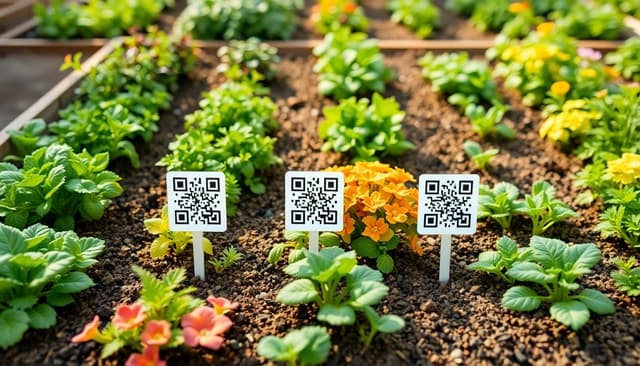
Explore 5 smart ways to use QR codes in gardening and plant care—from plant ID and care tips to garden tours and DIY guides. Make your green space more interactive and informative.
Learn how QR codes can securely store and share rental history for tenants and landlords. Streamline background checks, rental applications, and property management with ease.