
QR Code And Barcode
Generator
December 8 , 2023
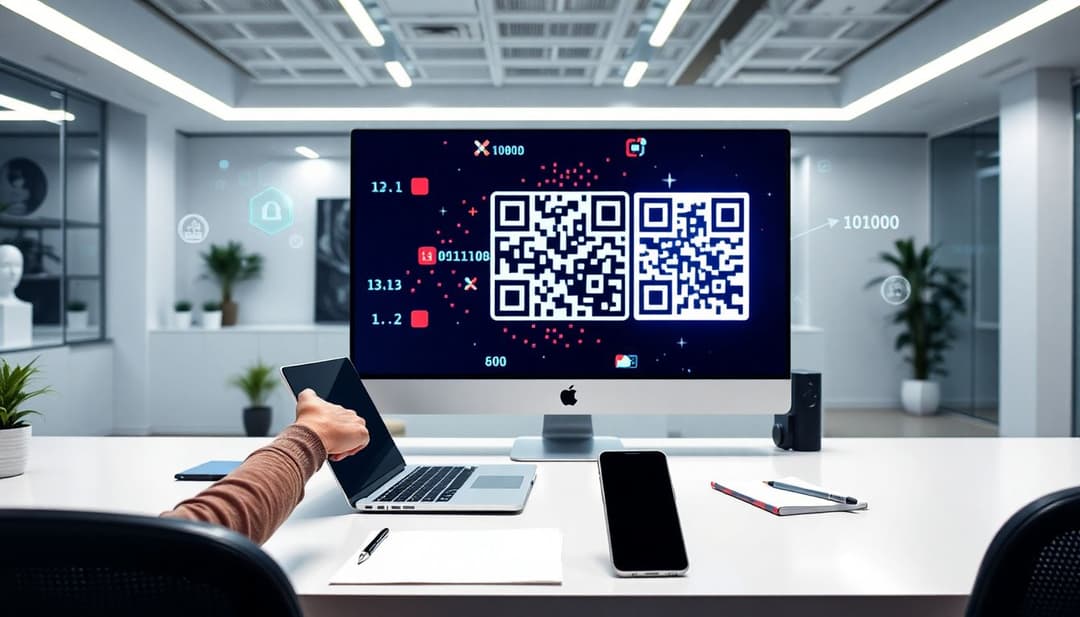
In today's world, managing URLs effectively is key to successful marketing. Whether you share links online or in print, the way URLs look and behave matters. QR codes are everywhere now, from store displays to social media. But if they're poorly made, they can frustrate your audience. Using short URLs with QR codes isn't just about looks—it's about making your links easier to track, more reliable, and user-friendly. When done right, these strategies can boost engagement and improve how people interact with your content.
Short URLs are condensed links that redirect visitors to longer, more complex web addresses. For example, instead of sharing a link like https://www.yoursite.com/articles/2023/qr-best-practices, a short URL might be bit.ly/QRTips. They work through URL shortening services that generate a new, unique link. When someone clicks or scans this link, it quickly redirects them to the original site. This process is seamless, making long or messy links easy to handle.
Use keywords that tell users what to expect. For example, bit.ly/SummerSale2023 sounds more appealing than random letters. Avoid confusing abbreviations. Clear, descriptive URLs build trust and help with SEO.
Instead of generic links like bit.ly/XYZ, consider using your own domain, such as shop.yoursite.com/summer. This boosts brand recognition and fosters trust. To set this up, check out this Bitly guide on custom domains.
Shorter, simpler links are easier to remember and less intimidating. Remove unnecessary parameters unless needed. Keep URLs straightforward.
Add UTM tracking codes to monitor your marketing efforts. For example, ?utm_source=newsletter&utm_medium=email. Learn more from Google’s UTM guide.
Use high contrast colors and a minimum size of 2x2 inches for print. Add quiet zones (white space) and test across multiple devices.
Combine short URLs with QR codes to reduce errors and improve loading speed. Test them thoroughly.
Dynamic QR codes let you change the destination later and offer real-time analytics. Ideal for evolving content.
Choose tools like Qr Code Generator for customization and reliability.
Add logos and brand colors, but avoid clutter. Maintain scanability.
Use HTTPS links and avoid shady link shorteners. Monitor for misuse and keep your content secure.
Keep it simple. Too many parameters or long links can discourage users.
Ensure your landing pages are mobile-friendly. Fast, responsive design makes a difference.
Be transparent. Use HTTPS and get user consent for tracking where necessary.
Blending short URL techniques with well-crafted QR codes transforms your digital marketing efforts. Clear, branded links boost confidence and engagement. Test and track everything. With these tips, your digital links will perform better and deliver results that matter.

Discover how cafés can use QR codes for digital menus, marketing campaigns, loyalty programs, and more. This ultimate guide covers creative, practical uses to boost customer experience and streamline operations.
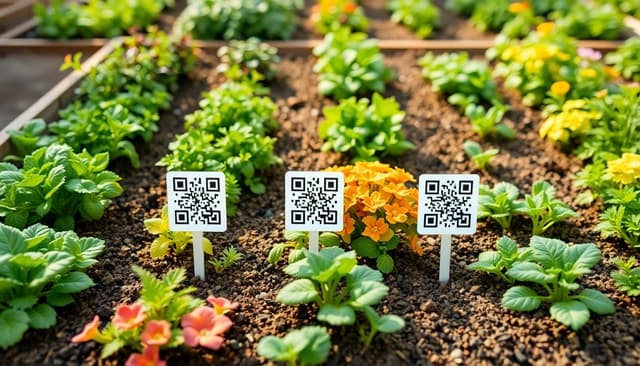
Explore 5 smart ways to use QR codes in gardening and plant care—from plant ID and care tips to garden tours and DIY guides. Make your green space more interactive and informative.

Learn how QR codes can securely store and share rental history for tenants and landlords. Streamline background checks, rental applications, and property management with ease.