
QR Code And Barcode
Generator
January 7 , 2024
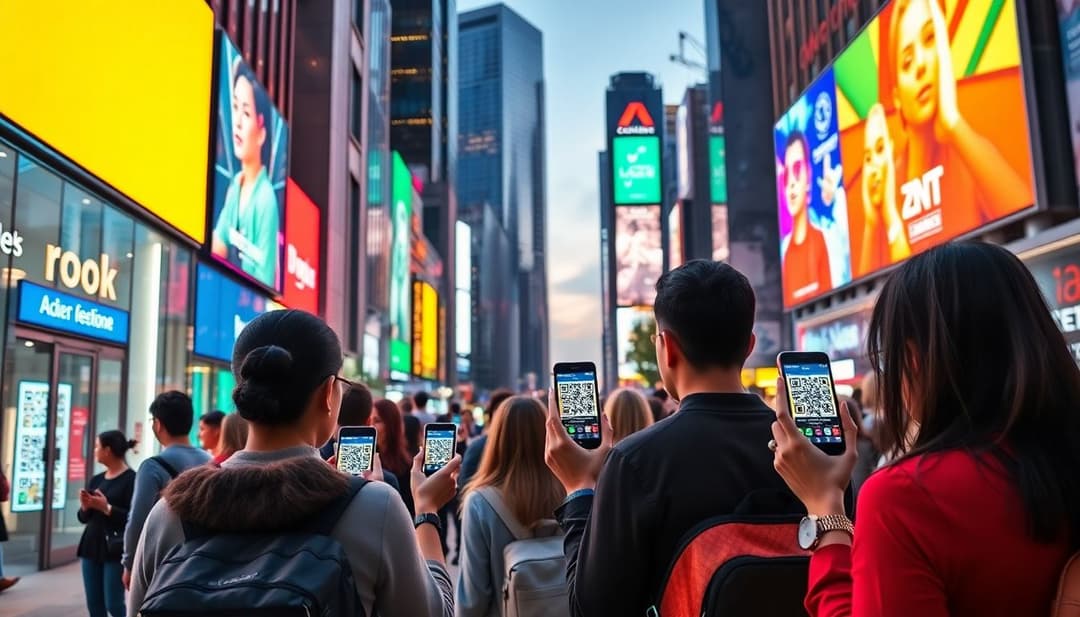
Mobile marketing is booming. More businesses realize that reaching customers on their phones is essential. At the same time, QR codes are making a big comeback. Once seen as outdated, they are now a powerful tool in marketing. Combining QR codes with mobile strategies can boost engagement and sales. They make it easy for users to access info, discounts, or content instantly. Plus, businesses can track how well their campaigns perform in real time.
Mobile marketing is a must for modern businesses due to the sheer amount of time that today’s consumers spend on their phones. The average American checks their phone 144 times per day. If your business doesn’t have a mobile marketing strategy, you’re missing out on a huge opportunity to connect with your audience.
In fact, many consumers now prefer to go online on their phones instead of using a desktop computer. Around 76% of adults have made purchases online using their smartphones, indicating just how widespread online browsing has become.
Quick Response (QR) codes are square barcodes you scan with your phone. They store data such as website links, contact info, or product details. QR codes first appeared in Japan in the 1990s to track car parts. Today, they are everywhere— restaurants, stores, advertising. Two main types exist: static and dynamic. Static QR codes hold fixed info; they can’t be changed after creation. Dynamic QR codes can be updated anytime, making them more flexible for marketing.
When a user scans a QR code, their phone reads the data and opens the content. This quick process lets brands share info fast—no typing needed. Using QR codes in marketing creates a direct link between physical and digital worlds, making user experience smoother.
QR codes started as tools for inventory and manufacturing. Over time, they turned into powerful marketing assets. Brands began using them to connect with customers. Big names like Starbucks started printing QR codes on cups, ads, and receipts. This made ordering, rewards, and campaigns easier.
Today, QR code adoption keeps growing. During the pandemic, restaurants and retailers used them for menus and contactless payments. Now, they’re a mainstream marketing tool. They blend offline and online channels, opening new ways for brands to engage.
QR codes offer many perks for businesses. They give customers quick access to info—no waiting or phoning. They're also inexpensive and easy to produce at scale. Plus, dynamic QR codes let you update links or offers without changing the code itself. This flexibility saves money and boosts campaigns.
Tracking is another big benefit. You can see how many people scan your codes, where they’re from, and what they do afterward. This data helps improve your marketing efforts. According to a digital marketing expert , “QR codes turn passive ads into interactive experiences, providing valuable insights into customer behavior.”
Creating a successful QR code isn’t just about generating one. Make sure your code is easy to scan. Use a size that fits your placement—at least 2 x 2 inches for print. High contrast, like black on white, helps scanners read it faster. Avoid cluttered backgrounds or intricate designs that might confuse scanners.
Adding your logo or brand colors can boost recognition. Customization options allow you to make the code look attractive without sacrificing functionality. Keep the design simple but aligned with your branding.
Where you put your QR codes matters. Think of high-traffic spots—near entrances, checkout counters, or on product packaging. Brands like Macy’s use QR codes on tags and signs to evoke loyalty programs and special deals.
In digital spaces, use QR codes on email signatures, your website, or social media profiles. Embed codes in ads or digital banners for an extra layer of engagement. The key is to make it easy for customers to find and scan your codes when they’re ready to act.
Make your QR code interactions simple. Use clear prompts like “Scan for a discount!” or “Get your free sample.” Always land customers on mobile-optimized pages that load fast and look good on phones.
Using dynamic QR codes adds flexibility. You can change the landing page or offer without swapping the code. This means you can run ongoing campaigns, test new offers, and adapt on the fly.
QR codes make shopping more interactive. Customers can instantly scan to see product details, reviews, or discounts. Macy’s uses QR codes on their store windows to provide loyalty rewards or exclusive offers. It creates a smoother shopping experience and encourages repeat business.
Events thrive with QR codes. They help attendees access schedules, maps, or special content. Plus, brands can gather customer info or feedback with optional surveys. Music festivals often offer QR codes for access to backstage passes or exclusive videos, boosting engagement.
Sharing multimedia through QR codes is a smart move. You can link to videos, Instagram contests, or YouTube clips. QR codes encourage followers to participate and share. For example, linking a code on a poster to an Instagram giveaway can grow your audience quickly.
QR codes bridge the gap between offline and online shopping. They can take customers directly to product pages or checkout pages. Use them to promote limited-time offers or bundle deals. Tracking how many people scan and buy helps measure ROI and refine future strategies.
Look at how many people scan your codes. Also, check how many complete desired actions—such as making a purchase or signing up. Engagement time, or how long users stay on the landing page, offers additional insights into effectiveness.
Platforms like Scanova give detailed data about scan locations, devices, and times. You can integrate these insights with your marketing dashboards for a complete picture.
Test different QR code placements and designs to see what works best. For example, compare scan rates on posters versus packaging. Use that data to adjust your campaign. Update dynamic QR codes regularly to keep content fresh. Small tweaks often lead to better results.
QR codes are essential tools for modern mobile marketing. When used strategically, they create instant connections between customers and your brand. Proper design and placement are key to success. Keep tracking your results, learn from data, and improve your campaigns over time. Start with small tests, gather insights, and grow your QR code efforts as you go. The future of marketing is just a scan away.

Discover how cafés can use QR codes for digital menus, marketing campaigns, loyalty programs, and more. This ultimate guide covers creative, practical uses to boost customer experience and streamline operations.
Explore 5 smart ways to use QR codes in gardening and plant care—from plant ID and care tips to garden tours and DIY guides. Make your green space more interactive and informative.

Learn how QR codes can securely store and share rental history for tenants and landlords. Streamline background checks, rental applications, and property management with ease.