
QR Code And Barcode
Generator
December 29 , 2023
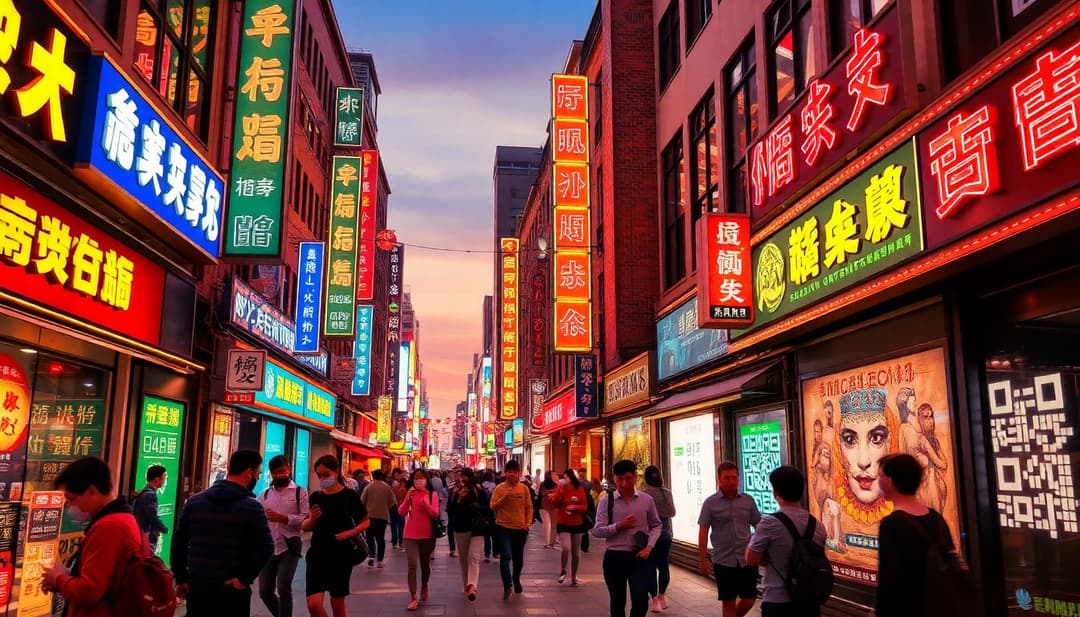
QR codes are everywhere in China. You see them on products, in stores, and even on streets. But they aren’t just for simple tasks like paying bills anymore. As technology moves fast, Chinese people and businesses find new ways to use these codes every day. They’ve become a key part of life and shopping. Exploring these new uses shows us how China heads toward a smarter future. It also helps us understand how consumer habits change in the digital world.
Today, brands use QR codes to boost shopping. Customers can scan a code in a store to get detailed product info or discounts. For example,JD.com andTaobao often place QR codes on products so shoppers see special deals or reviews. Small shops also benefit by giving customers instant access to their online pages. They create a quick link between physical and digital shopping that makes buying easy.
Some brands take it further with AR — virtual try-ons or interactive displays. Cosmetics companies, for instance, print QR codes on product packages, then let users see how makeup looks on their face with a simple phone scan. This makes shopping fun while reducing mistakes. Experts say combining AR with QR codes turns ordinary shopping into animmersive experience. It helps brands stand out and boosts customer interest.
China is the world’s second-largest economy and has a highly tech-friendly culture. As a result, QR Codes have become part of daily life for most people in China. QR Code payments got their big break in the Western world in 2014 when Snapchat’s CEO, Evan Spiegel, visited China and decided to add QR Code technology to Snapchat.
QR codes are a go-to for quick payments. Customers scan a code to pay without cash, reducing contact and saving time. During China’s post-pandemic recovery, QR-based transactions jumped sharply. Retailers also use QR codes to run loyalty programs. Customers scan to earn points or redeem rewards instantly. Small businesses can create engaging campaigns by sharing unique QR codes, encouraging repeat visits andbrand loyalty.
It’s so fast and convenient that even street beggars have QR Codes to receive electronic payments.
China had long realized the convenience of using QR Codes to pay for nearly anything. Fast forward to today, and WeChat is unquestionably the top app in China—93% of the population uses it. QR Code payments made up 85% of all mobile payments in China in 2022, and they show no signs of slowing down, potentially cresting $26 billion globally by 2028.
Local Chinese governments use QR codes to connect citizens with public services. Citizens scan to check health reports, pay bills, or give feedback. During COVID-19, health QR codes helped track contacts and manage health data efficiently. These codes make government services easier and faster, reducing long lines and paperwork.
Cities like Shenzhen or Hangzhou embed QR codes into daily life. You can scan a code on a bus stop for transit info, pay parking fees, or even check utility bills. This QR code system makes city living smoother.Urban planners see these codes as tools to make cities more friendly and efficient for everyone.
Many Chinese cities now use QR codes for subway and bus tickets. Just scan your code at entry, and you're in. This speeds up lines and cuts down on contact. Officials say QR ticketing improves safety and makes traveling easier. It’s a simple shift that transforms how people move through busy city streets.
Museums use QR codes to tell stories in many languages. Visitors scan codes beside exhibits to hear audio guides or see videos.The Palace Museum, for example, offers virtual tours through QR codes. This makes learning more engaging and interactive for all ages. Cultural venues now see QR codes as a way to attract visitors and share history.
Some restaurants now put QR codes in menus for more than ordering. Scan to hear chef stories, see recipes, or watch cooking videos. Chain restaurants also share nutrition facts via QR codes. This blend of tech and food creates new dining adventures that wow customers and build loyalty.
Event organizers use QR codes for registration, feedback, or getting more content. Music festivals use codes so attendees can chat with artists or buy merchandise. Virtual meet-and-greets or live streams become part of the experience. By adding QR codes, event hosts keep guests engaged and make events memorable.
New trends show QR codes will keep growing. Personal QR codes, which include your name or brand, are becoming popular. Some companies even add AI to create smarter codes and better experiences. As China’s tech scene spreads globally, cross-border QR uses will also rise. Industry leaders believe these codes will keep expanding with new features, making life even easier.
From helping shoppers find deals to managing city transport, QR codes are shaping China’s future. They make everyday tasks simpler and create new ways to experience culture and entertainment. Businesses andgovernments who stay open to these changes will thrive. QR codes aren’t just a tool — they are becoming a way to connect everyone in a smarter, faster way. Keep an eye on these innovative uses, and you’ll see how QR codes can transform your world too.

Discover how cafés can use QR codes for digital menus, marketing campaigns, loyalty programs, and more. This ultimate guide covers creative, practical uses to boost customer experience and streamline operations.
Explore 5 smart ways to use QR codes in gardening and plant care—from plant ID and care tips to garden tours and DIY guides. Make your green space more interactive and informative.

Learn how QR codes can securely store and share rental history for tenants and landlords. Streamline background checks, rental applications, and property management with ease.