
QR Code And Barcode
Generator
December 30 , 2023
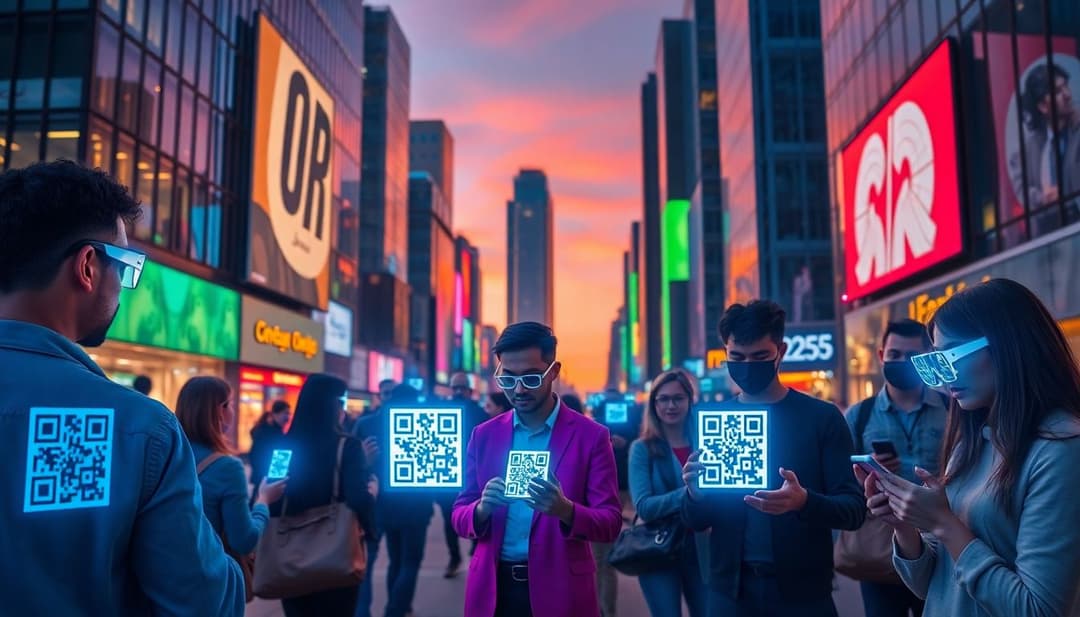
QR codes became hugely popular in the early 2000s. They offered a quick way to share info without typing long URLs. As smartphones became smarter, QR codes took off. Recently, they’ve made a strong comeback, especially in times of social distancing. Today, they are more than just barcodes—they are a part of everyday life.
Understanding whether QR codes still matter in 2025 is key for businesses, consumers, and tech lovers. They’re changing fast, offering new ways to connect and share. Knowing how QR codes are evolving can help you stay ahead in this digital world.
QR codes started in Japan in the early 2000s. They were mainly used in factories for tracking parts. Over time, they gained popularity outside factories, especially in marketing. Early QR codes held basic data like website links or contact info.
Now, they do much more. They can be customized, interactive, and more secure. The shift to smarter codes turned simple barcodes into powerful tools.
In recent years, dynamic QR codes appeared. These codes can change what they show without new printing. That means marketing campaigns can update content in real time.
Security measures like encryption help prevent fraud. Design options now include brand logos and colors, making QR codes more attractive.
Smartphones with better cameras and built-in AI make scanning easier and faster. 5G connectivity allows for instant data transfer and real-time interactions. Many apps now use AI to improve scan accuracy, even in tricky lighting. This tech progress makes QR codes smoother and more trusted.
QR codes are everywhere in stores and online shopping. They simplifycontactless payments and give instant product info. Many stores use QR codes for loyalty points and discounts.
For example, Amazon uses QR codes to let customers check out without waiting in line. That’s a smoother checkout method that saves time and minimizes contact.
Hospitals and clinics now use QR codes for vaccine proof and health records. Governments also put QR codes in official documents to quicken service access.
This helps people avoid long lines and get info on their phones quickly. It makes health and public services much more efficient.
Custom QR codes with logos or colors boost branding. Businesses are designing codes that catch attention.
Meanwhile, encryption and anti-fraud tech are making QR codes more secure. Consumers trust these codes more because they know their info is safe.
Now, QR codes can embed videos, audio, or 3D images. When scanned, users see an immersive experience.
Museums use these codes to give detailed info about exhibits. Marketers create interactive experiences with multimedia QR codes to attract attention and engage audiences.
Brands personalize offers based on the scanned QR code. For example,Nike adds special discounts to sneakers via QR codes.
This makes marketing more targeted and fun. It’s like a mini treasure hunt for customers.
Many countries, China included, use QR codes for peer-to-peer payments. You scan a code to send or receive money instantly.
Banks and wallet apps now rely heavily on QR codes for quick, contactless banking. This trend is changing how we handle money daily.
Manufacturers add QR codes to products to share info, videos, or contests.
Coca-Cola’s global marketing used QR codes to promote campaigns and let consumers participate directly from packaging. It turns ordinary packages into interactive stories.
Travelers and event-goers scan QR codes for tickets, info, or virtual tours.
Major events like concerts use QR codes for faster check-ins. This streamlines entry and gives attendees instant access to schedules or venue maps.
QR codes are connecting with Internet of Things (IoT) devices. They help pair gadgets easily or trigger automation.
For instance, you could scan a code to turn on smart lights or set a device in your home.
AI now improves scan accuracy even in bad light or cluttered backgrounds. It also detects fake or tampered QR codes by analyzing patterns.
Future, AI could personalize content based on who is scanning or what device they use.
Not everything about QR codes is perfect. Privacy concerns rise as more data gets collected.
Scanners also face compatibility issues, with some older devices struggling to read new QR types. Standardization will help but remains a challenge.
Look out for 3D QR codes or holographic displays that pop out visually.
Blockchain may secure QR codes for digital IDs or certificates, making them nearly impossible to counterfeit.
QR codes remain just as relevant in 2025 as they were years ago. Their ability to adapt makes them useful across industries—from retail to healthcare. The technology keeps evolving with advancements like multimedia, AR, and high security.
They’re more than simple barcodes—they’re bridges linking the physical and digital worlds. Whether for marketing, payments, or entertainment, QR codes are here to stay. Businesses and consumers who understand and use them now will stay ahead.
QR codes are not only alive—they’re growing smarter and more versatile, promising a future full of new possibilities.

Discover how cafés can use QR codes for digital menus, marketing campaigns, loyalty programs, and more. This ultimate guide covers creative, practical uses to boost customer experience and streamline operations.
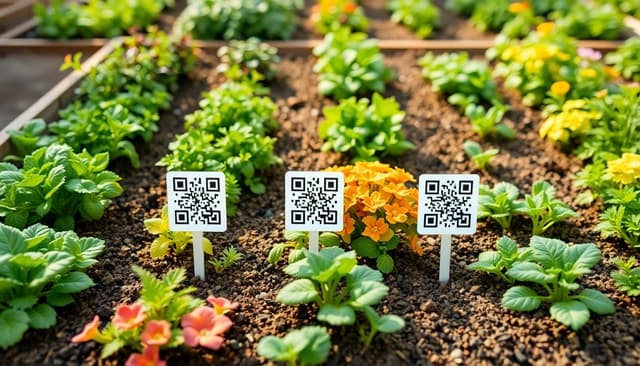
Explore 5 smart ways to use QR codes in gardening and plant care—from plant ID and care tips to garden tours and DIY guides. Make your green space more interactive and informative.

Learn how QR codes can securely store and share rental history for tenants and landlords. Streamline background checks, rental applications, and property management with ease.